Czechowice-Dziedzice
Chapter 01 · mid-19th century
The birth of the oil industry
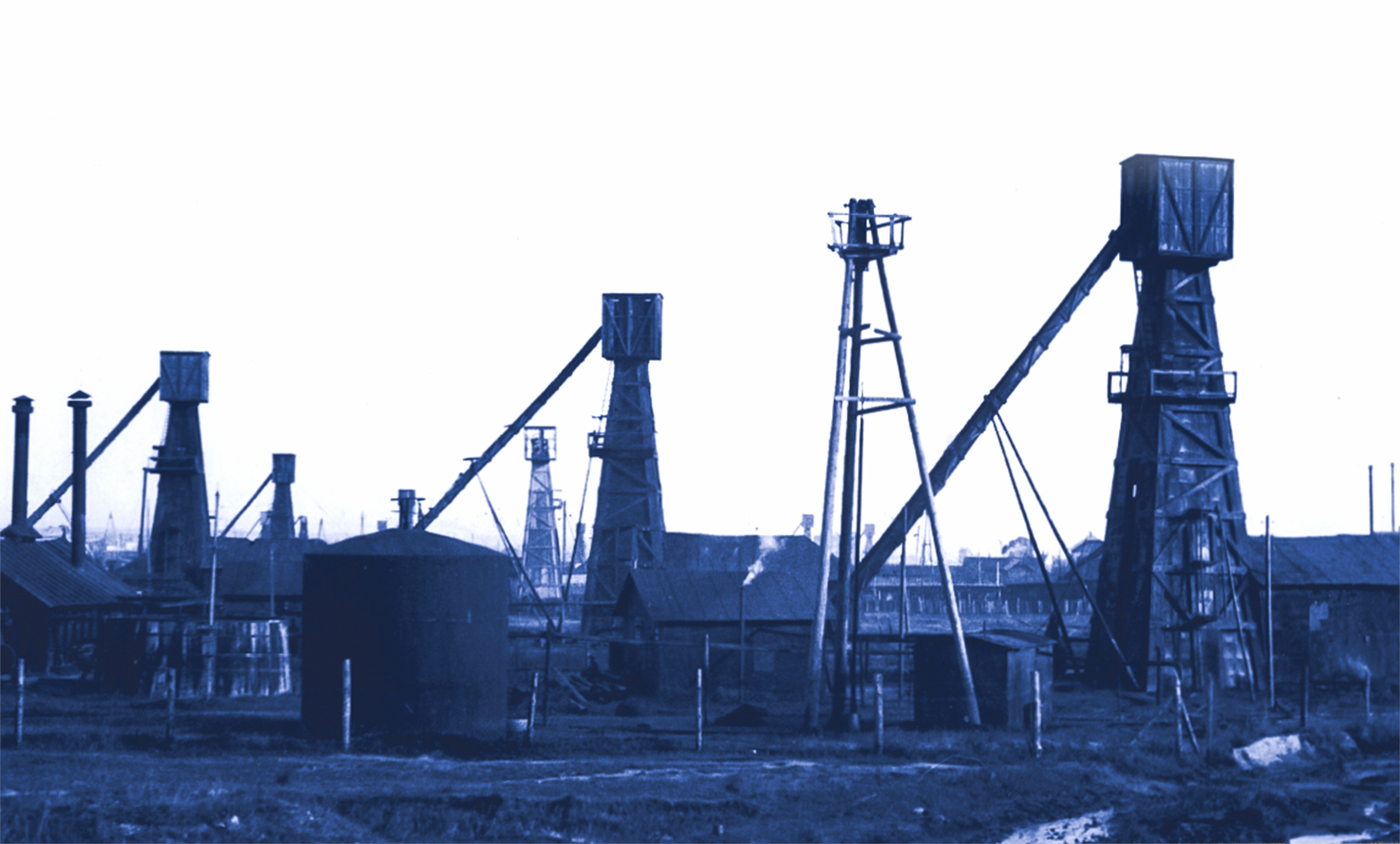
The oil industry emerged in the mid-19th century in response to a rapidly changing world and the growing needs of an expanding economy. As demand rose for better lighting and new sources of energy, traditional materials such as candles, vegetable oils and tallow were no longer sufficient.
At that point, inventors turned their attention to petroleum, a substance that had been known for centuries but used only on a limited scale, mainly for medicinal and trade purposes. The breakthrough came with the work of Ignacy Łukasiewicz. In late 1852 and early 1853, he developed a method of fractional distillation that made it possible to obtain paraffin, a fuel that was cleaner, brighter and more efficient than earlier lighting materials. The invention was put to practical use very quickly. On 31 July 1853, the light of a paraffin lamp illuminated an operating theatre in what is now Lviv, then known as Lwów, making the first night-time operation possible. That moment marked the beginning of a new era: the age of oil.
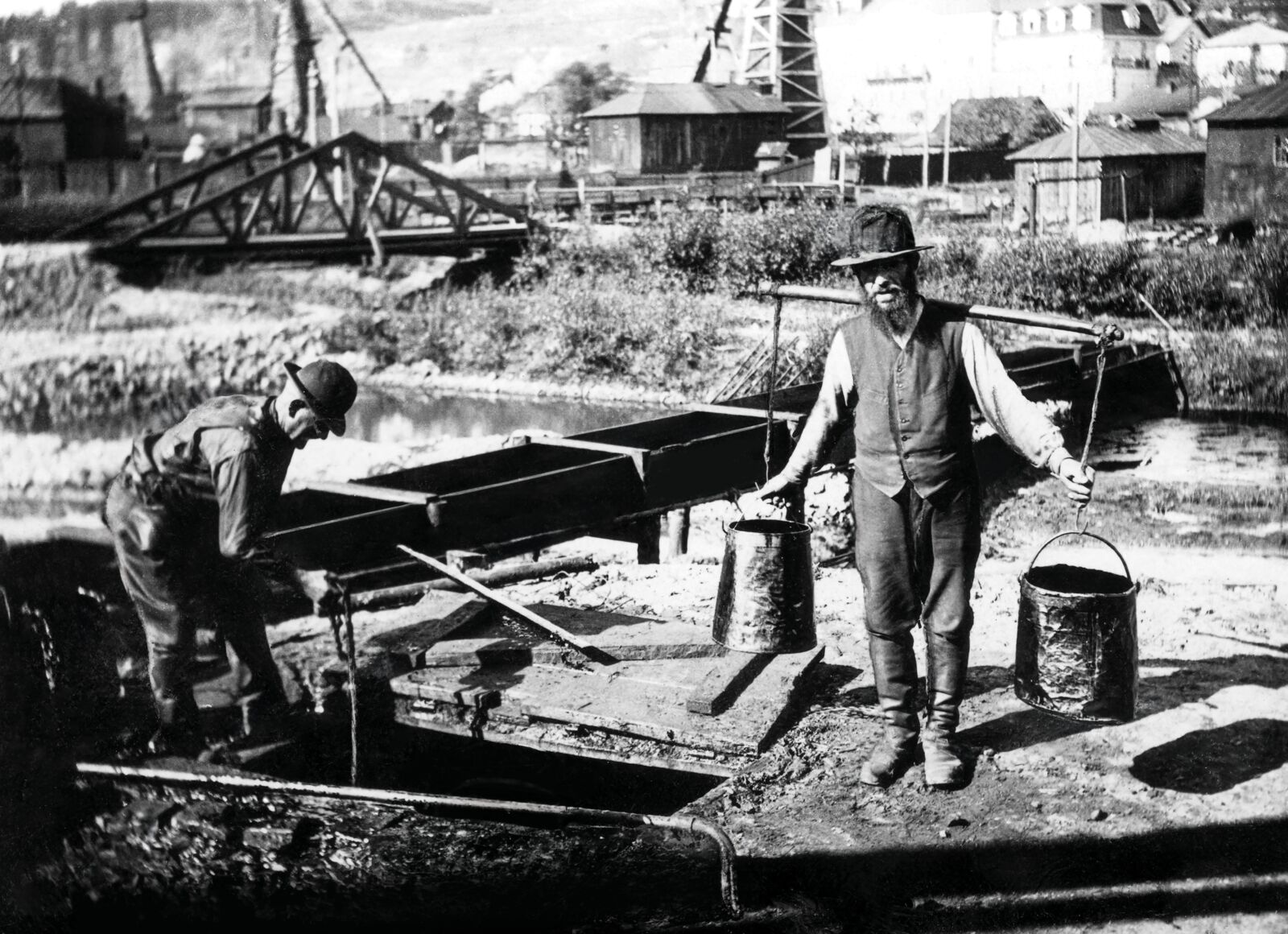
Łukasiewicz did not patent his invention, allowing the new technology to spread quickly around the world. What is less widely remembered, however, is that the global oil industry began on Polish soil. With its rich natural resources, Galicia became one of the leading centres of the emerging oil sector. In 1854, the first oil mine was established in Bóbrka, where extraction on an industrial scale began. Over the following decades, advances in drilling techniques and rising demand for petroleum products drove the region’s rapid development.
That moment marked the beginning of a new era: the age of oil.
Galicia · turn of the 20th century
250+
oil companies operating across Galicia
1800+
wells in use
2m tonnes
record production in 1909
3.
globally, after the United States and Russia
By the turn of the 20th century, more than 250 oil companies were operating across Galicia, with over 1,800 wells in use. In 1909, oil production in Galicia reached a record level of more than 2 million tonnes, placing the Polish lands under Austrian rule third globally, after the United States and Russia. The main customers for crude oil and petroleum products were Austria-Hungary, Germany, France, Switzerland, Belgium and Italy.
Chapter 02 · 1886–1918
Establishment of the refinery in Czechowice
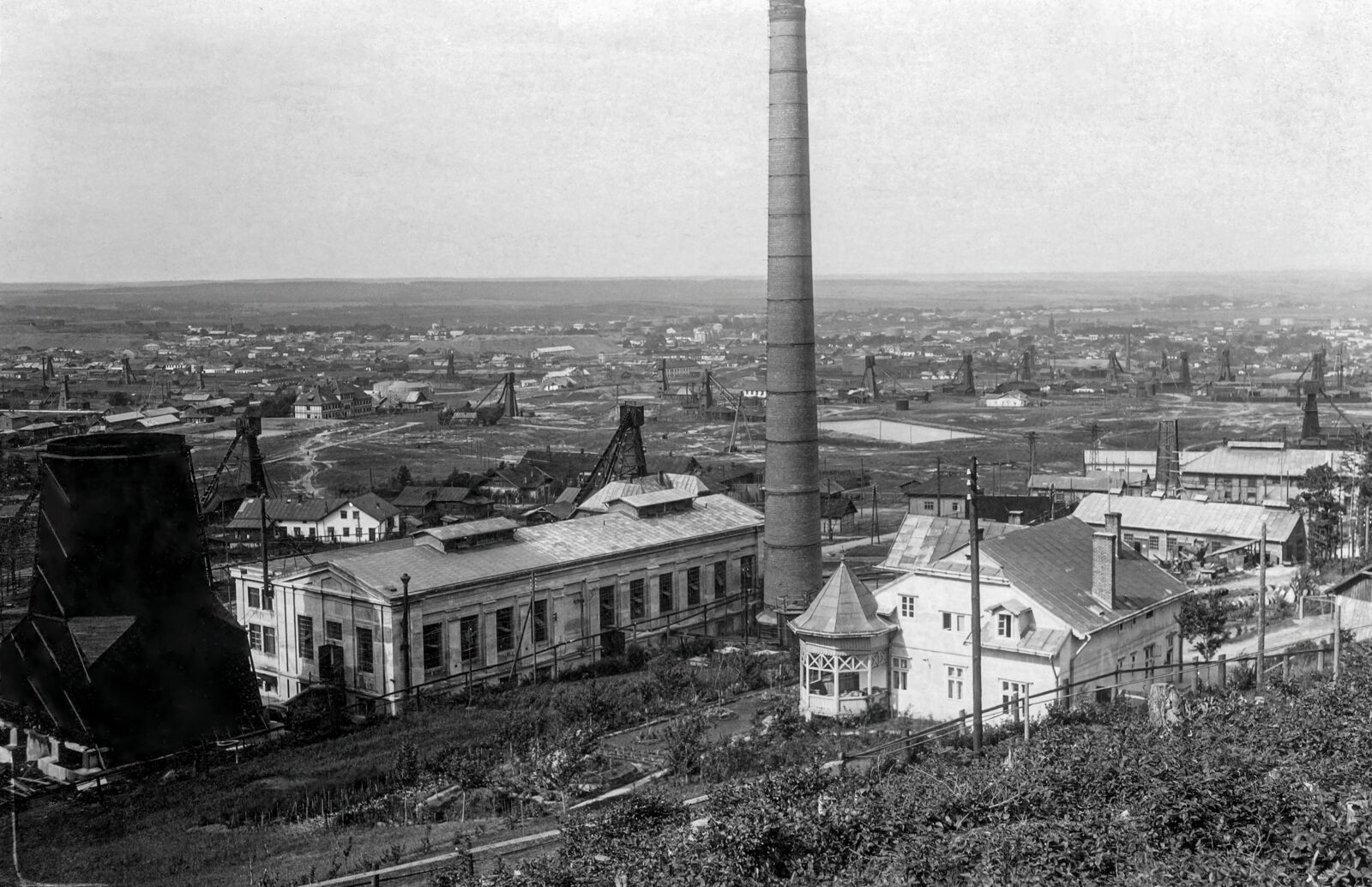
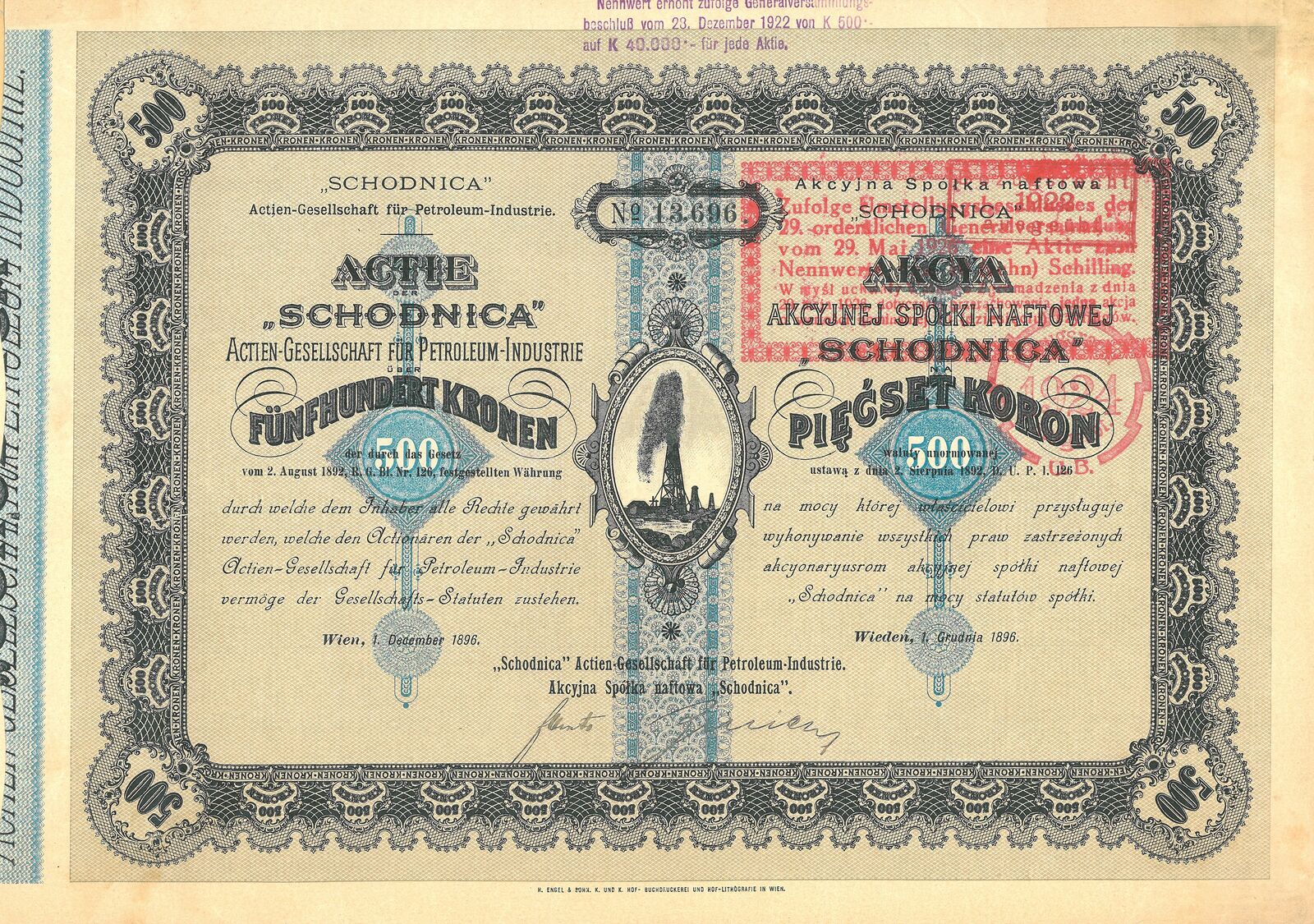
The region began to develop more rapidly with the construction of the railway lines from Bohumín to Dziedzice and from Dziedzice to Bielsko in 1855 as part of the so-called Emperor Ferdinand’s Privileged Northern Railway. In 1889, an additional connection between Dziedzice and Bohumín further improved transport links. The first industrial plants soon grew up around the railway infrastructure, including a railway sleeper factory, a zinc works and, in 1896, the first paraffin refinery in Cieszyn Silesia, “Schodnica”. Owned by the Anglo-Austrian Bank and capitalised at 10 million crowns, the plant stood in Czechowice, in what is now the area of Barlickiego and Żeromskiego Streets.
The rapid expansion of the rail network and the oil industry in the area also attracted the attention of Vacuum Oil Company, which was linked to John D. Rockefeller’s American Standard Oil trust, then the world’s largest oil producer, refiner and distributor. In 1899, company representatives began buying land in the “Gaj” colony, now Lesisko, from the local Zipser family. In the autumn of 1901, one of the key transactions was completed with Leon Teodor Zipser, owner of the Bielsko textile mills, who sold part of his land for the planned investment.
Formal approval for the refinery’s construction came on 8 June 1901 in Vienna, when Standard Oil Company representatives Friedrich Schildt, Georg Wilhelm Hooker and Selen Jale Osborne presented the project for the new refinery to the general meeting of shareholders. The plan was adopted unanimously, and the company’s capital was increased to 20 million crowns with funding from the Standard Oil Company trust in New York.
Construction of the Vacuum Oil Company refinery began in early 1902 with preparatory works that included excavation, drainage and clearing the forested site. The contractor was the “Kulka” company from Moravian Ostrava, and Selen Jale Osborne, a Dane, supervised the project. The management team was international, while most manual workers were recruited from Těšín Silesia, Upper Silesia and Galicia.
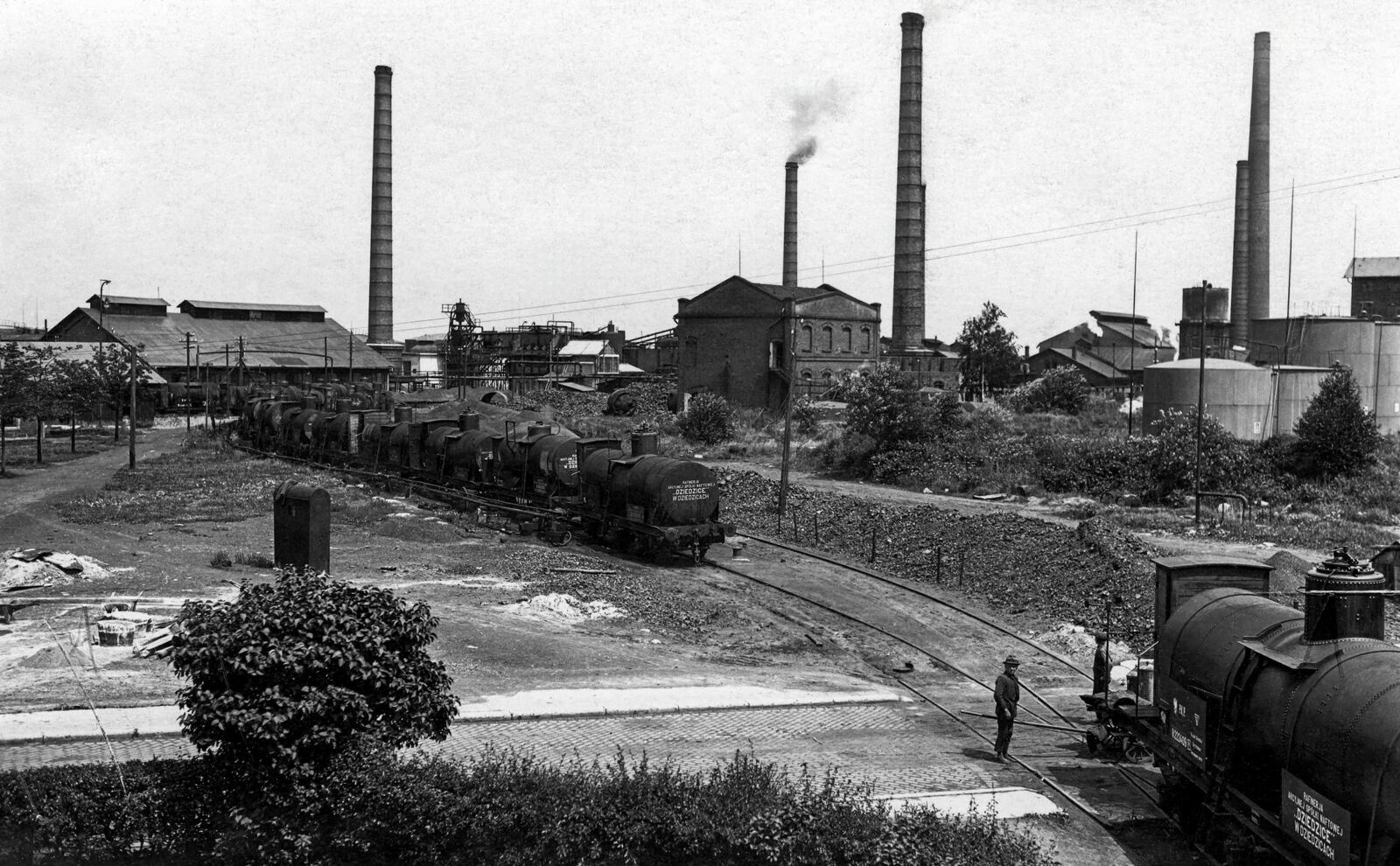
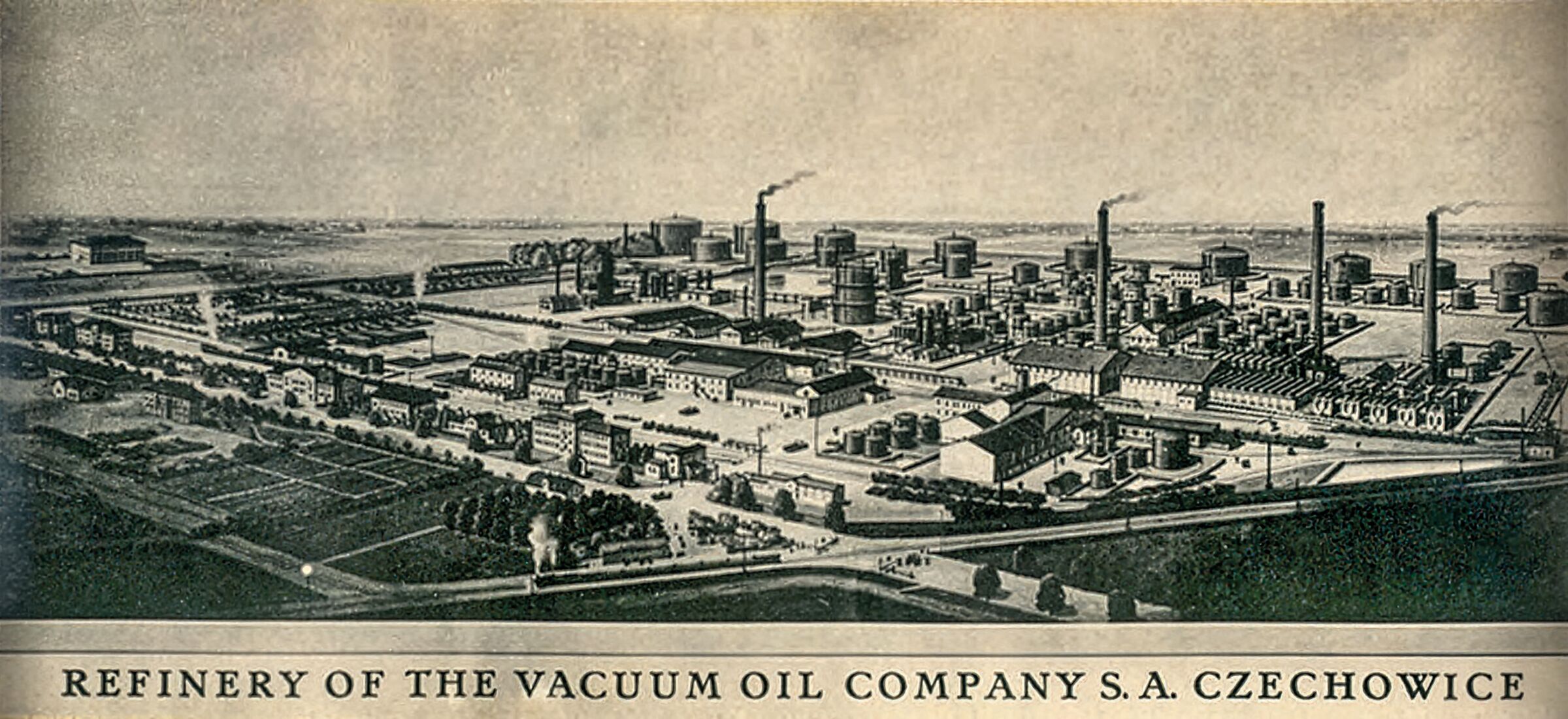
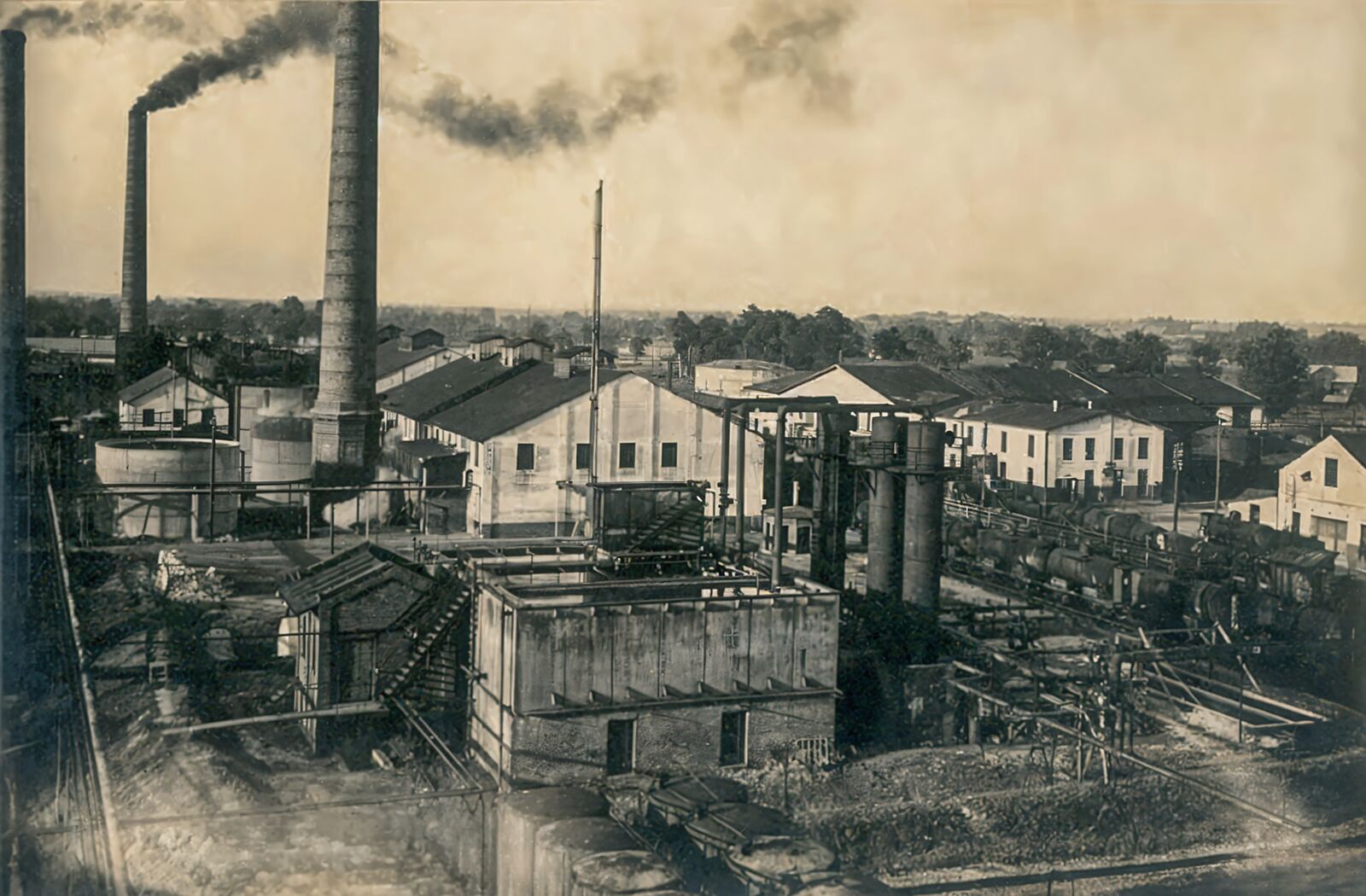
After the necessary legal formalities were completed and the required permits obtained, the Vacuum Oil Company refinery in Czechowice began operating on 5 May 1905 under a decision of the Imperial-Royal Ministry of the Interior in Vienna. Four days later, the Articles of Association were adopted, defining the company’s governing bodies and confirming its seat in Czechowice. Production commenced in May 1905, and by 1907–1908 the refinery had reached its target capacity of 35,000 tonnes of oil a year. Even in its early years, it stood out for its modern infrastructure, which included its own power generators, deep wells, a barrel factory, oil packaging facilities, a lubricant plant, a laboratory and an extensive storage system of 350 tanks with a total capacity of 86,000 m3.
Milestones
Its products were used by German Zeppelin airships, Ford cars and the pioneering aircraft of the Wright brothers.
Transport
The expansion of transport infrastructure was crucial to the plant’s operation. A railway siding and loading ramps made it possible to distribute raw materials and finished products efficiently. In 1906, the company opened its own railway station, making Vacuum Oil Company independent of the neighbouring Schodnica refinery.
Position
The Vacuum Oil Company refinery in Czechowice quickly became one of the region’s leading industrial centres. Its products were used in German Zeppelin airships, Ford cars and the Wright brothers’ pioneering aviation designs, among many other applications. The international press reported widely on the company’s activities, underlining both its prestige and its economic importance. The refinery operated throughout the Austro-Hungarian period and benefited from its strategic position on rail routes linking it to the oil-producing centres of Boryslav, Drohobych, Bitkov and Krosno, as well as to markets across Central Europe. Supply stability came from both the company’s own wells and crude imports from Romania, while favourable transport and tax conditions supported the further growth of production.
People
Vacuum Oil Company also played an important social function. It built housing estates for workers, established support institutions such as a loan fund and a sickness fund, and supported cultural and educational initiatives. The company also organised community events and honoured outstanding employees with awards, strengthening ties within the workforce.
With a stable financial base and the backing of an international corporation, the refinery survived the difficult years of the First World War. Military operations and damage to infrastructure disrupted its work, at times halting installation works and interrupting the transport of raw materials and finished products. Labour shortages caused by military mobilisation created further difficulties. Despite these challenges, the plant maintained continuity of operations and strengthened its position in the region, while the Schodnica refinery went bankrupt in 1926.
Chapter 03 · 1918–1939
Interwar period – development and stabilisation
After Poland regained its independence, the Vacuum Oil Company paraffin refinery in Czechowice retained its assets and, with the approval of the state authorities, continued production. The plant came under the authority of the Polish Ministry of Industry and Trade.
In 1919, the company adopted new Articles of Association and increased its share capital, which had reached USD 25 million by 1939, making the refinery one of the largest oil companies in the country. The 1920s and 1930s brought intensive modernisation. In 1925, a cracking unit was commissioned, making it possible to produce petrol from heavy crude fractions, and in 1930 the first Foster Wheeler tube still and fractionating tower unit was built, with an annual capacity of 60,000 tonnes.
The introduction of petrol production based on a Polish patent using activated carbon showed how innovative the refinery had become. The process captured light hydrocarbon fractions from refinery gases using activated carbon and then recovered them through desorption and liquefaction, yielding petrol as a valuable fuel product. This solution reduced raw material losses and increased the yield of light petrol. Products sold under the Mobiloil and Mobilgrease brands earned recognition in international markets, further strengthening the refinery’s position as a modern industrial centre.
The plant had extensive technological facilities, including units for acid-base refining, dewaxing, thermal cracking, petrol rectification and sulphuric acid regeneration. This gave it the flexibility to supply the fast-growing automotive, chemical, metallurgical and mining industries.
USD 25m
share capital by 1939
60,000 t
annual capacity of the Foster Wheeler unit (1930)
Working with car manufacturers
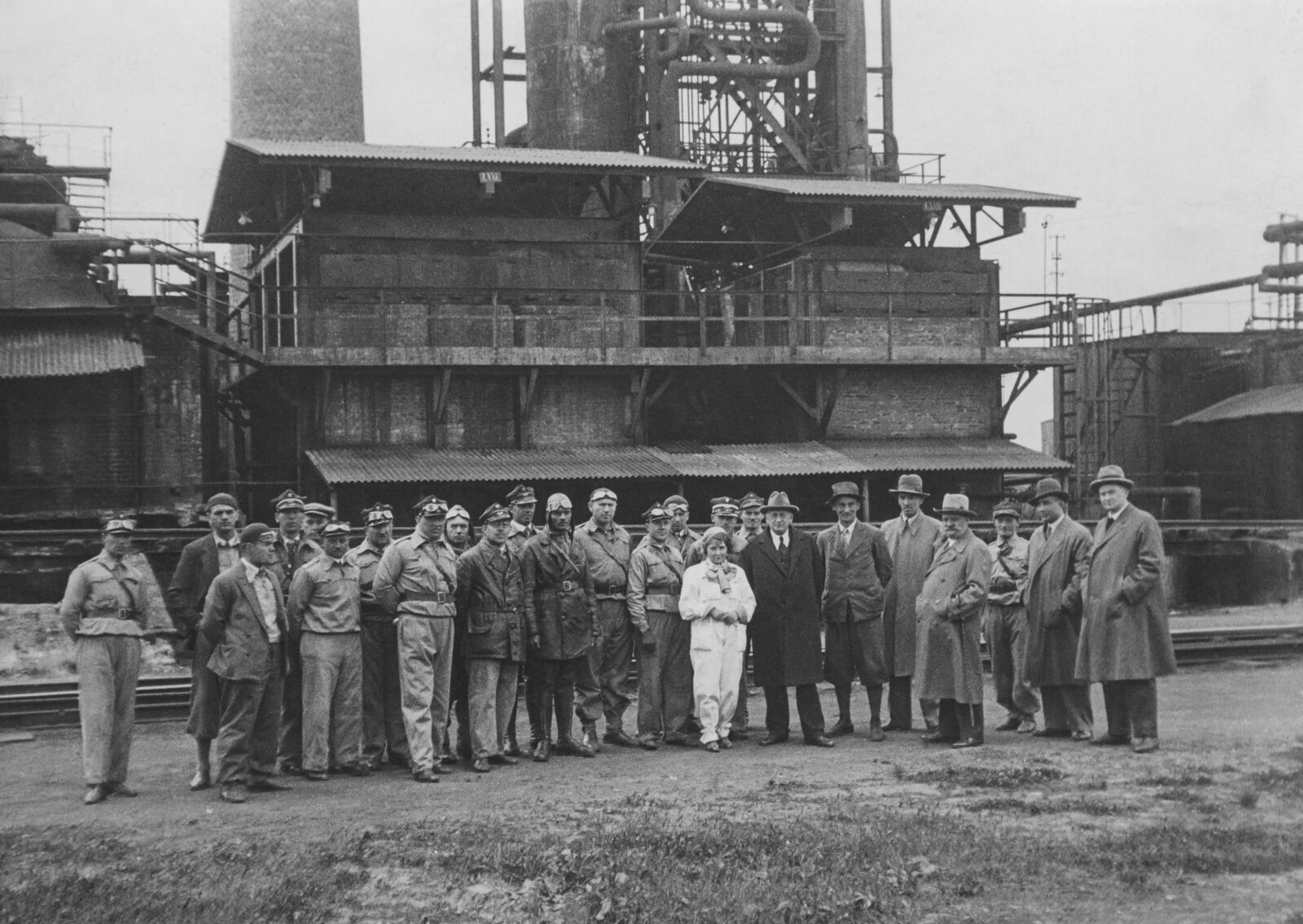
At first, the refinery distributed its products independently; later, it cooperated with Warsaw-based Standard-Nobel. It also worked with leading car manufacturers, including Lancia, Mercedes-Benz, Maybach, Horch, Lincoln, Ford, Morris, Škoda, Hispano-Suiza and Mathis, supplying oils and lubricants tailored to the performance requirements of contemporary engines.
The refinery played a vital role in local life. It provided employment for hundreds of people in the region and continued to support housing, education and cultural infrastructure. It was not only an industrial centre, but also an important part of Czechowice’s social fabric. In retrospect, the interwar years stand out as a period of stability and rapid development before the outbreak of war.
Chapter 04 · 1939–1945
Time of war and occupation
After the German occupation of Poland in September 1939, the refinery came under German control and was absorbed into the Third Reich’s war economy. As a strategically important facility, it continued to produce aviation fuel, lubricants and petrol, all destined for the needs of the Wehrmacht and the Luftwaffe. Despite these conditions, many workers tried to protect the plant’s infrastructure and documentation, often at great personal risk.
From the first days of occupation, Nazi rule brought systematic confiscation of property, street round-ups, forced deportations for labour deep inside the Reich, deportations to concentration camps and public executions. As part of this policy of terror, the local population was subjected to repression and forced labour. In 1940, Reichsführer-SS Heinrich Himmler established the Auschwitz-Birkenau concentration camp, which served both as an extermination centre and as a source of slave labour for the industries of Upper Silesia and the Dąbrowa Basin. The camp system was closely tied to the Third Reich’s war economy, supplying labour to strategically important industrial plants, including refineries.
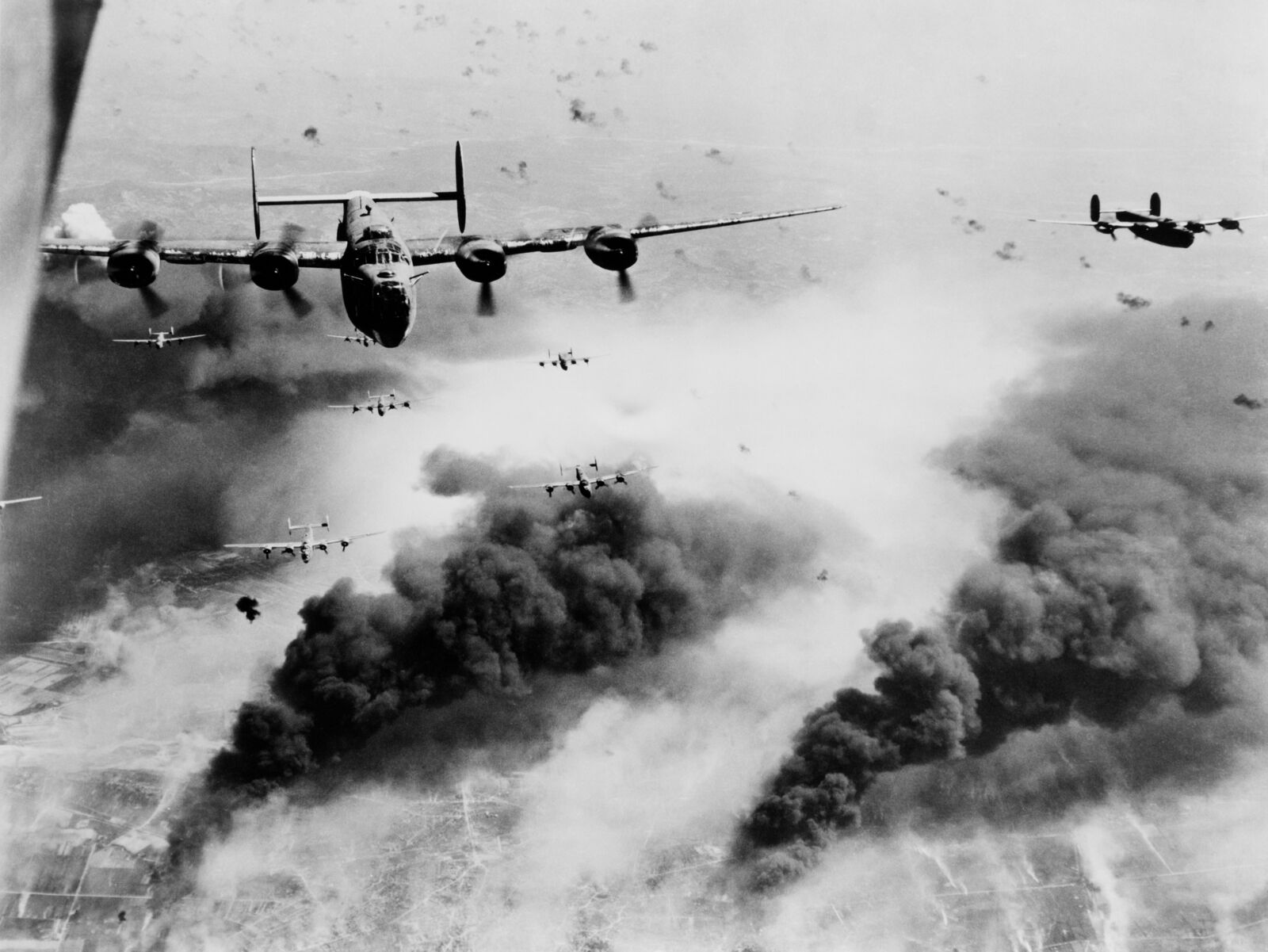
Following Germany’s defeat at Stalingrad in 1943, and as the Eastern Front shifted westwards, the US Air Force launched major air attacks on German industrial targets. On 20 August 1944, the Vacuum Oil Company refinery was bombed. Formations of American B-24 Liberator bombers appeared over Czechowice under the protection of P-51 Mustang fighters. The raid lasted only a few minutes, but the damage was catastrophic. Around 300 bombs fell on the refinery and neighbouring villages, destroying industrial, railway and residential infrastructure. Key installations, including the DRW-100 distillation tower, oil tanks, power plant and workshops, were damaged, and production halted for several months.
Air raid · 20 August 1944
~300
bombs fell on the refinery and nearby villages
B-24
Liberators escorted by P-51 Mustangs
Forced-labour subcamps and the Death March
After the raid, the plant had to be cleared of unexploded ordnance. For this purpose, the Tschechowitz I sub-camp Bombensucherkommando (bomb search commando) was established within the Auschwitz camp system on 20 August 1944. Around 100 prisoners were forced to carry out the extremely dangerous work of locating, defusing and removing bombs and unexploded ordnance from the refinery and the railway infrastructure. The sub-camp operated until September 1944, with SS-Oberscharführer Wilhelm Edmund Claussen as commandant. Once the work was completed, the prisoners were returned to Auschwitz-Birkenau.
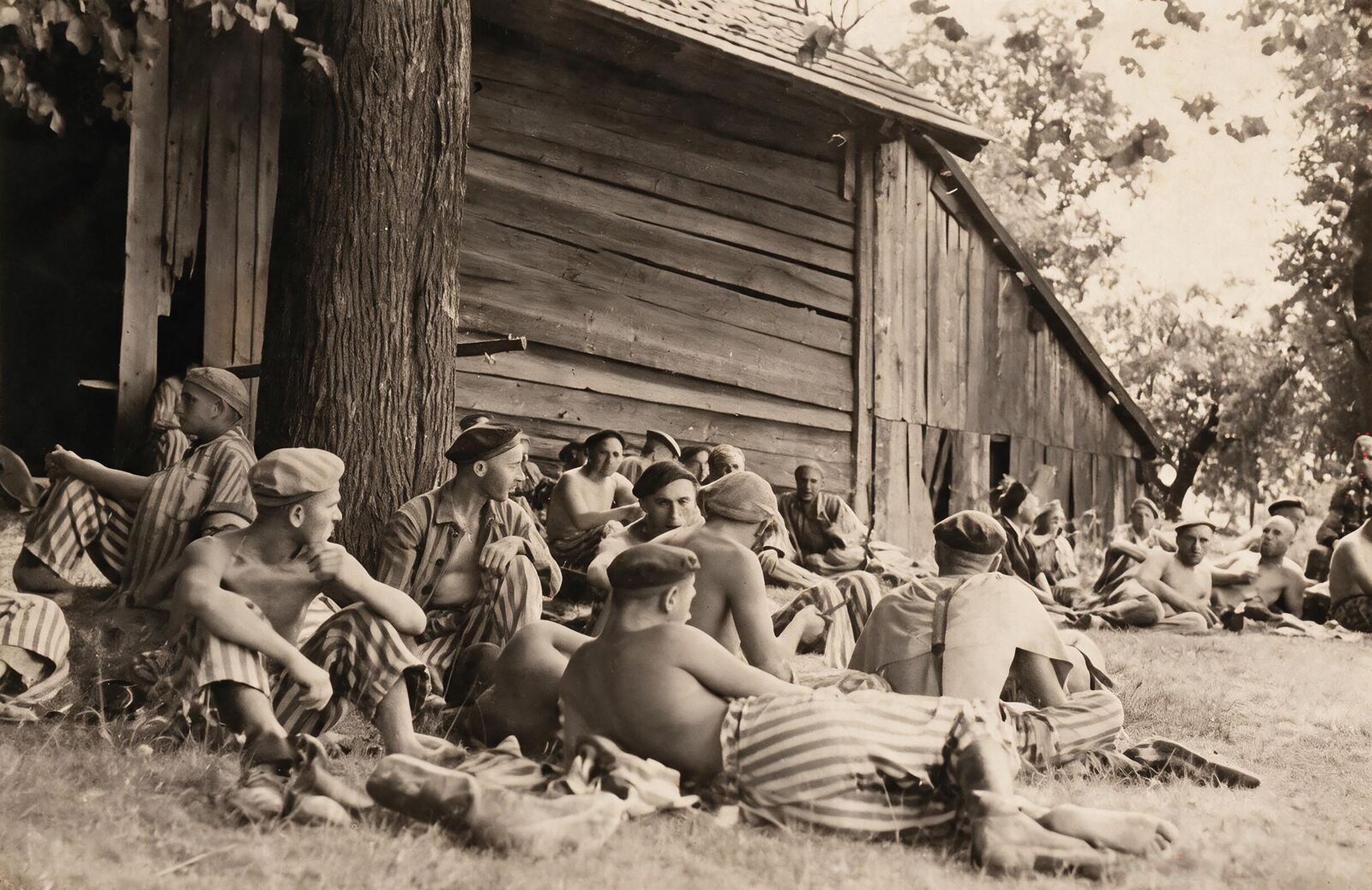
In September 1944, a second sub-camp, Tschechowitz II (Vacuum), was established in the buildings of the former “Trzemsza” farm. In adapted farm buildings, around 560-600 prisoners were held, mainly Jews from Poland and the Czech lands. They were forced to carry out exhausting work dismantling the refinery, demolishing and rebuilding damaged installations, and constructing shelters and air-raid defences. In January 1945, the liquidation of the Tschechowitz II sub-camp began. Some prisoners who were still able to march were driven on the so-called Death March towards Wodzisław Śląski, from where they were transported to concentration camps deep inside the Reich. This was one of the most brutal routes, and many did not survive its first days. Those who remained in the camp were murdered on the spot by SS troops.
At the end of December 1944, German troops abandoned the refinery, leaving it largely destroyed. Most of the installations and stocks of raw materials and products were taken to the refinery in Kolín, Czechoslovakia. The crimes committed in both sub-camps were survived by only one known witness to the liquidation of the forced labour camps at the refinery: a Czech prisoner, Erwin Habal. His testimony confirms the scale of the violence and the chaos that marked the final days of the occupation in the area.
The raid also caused civilian casualties. Dozens of people were killed and many more were injured. Numerous fire brigades and technical services took part in the rescue effort and spent days dealing with the aftermath.
Chapter 05 · 1945–1989
Reconstruction and development in the “Polish People’s Republic”
In the first weeks after the fighting ended, clean-up and safety work began as the first step towards rebuilding the plant. Work resumed among ruined halls, damaged installations and burntout tanks, relying heavily on the determination and commitment of the local community.
The people of Czechowice and the surrounding area played a central role in restoring the refinery, gradually bringing it back into operation. A symbolic moment in that recovery came in 1945, when the first production facilities were restarted. In 1946, following nationalisation, the Czechowice refinery came under state control and became part of Poland’s national oil industry. Despite difficult economic conditions, the plant steadily regained its position and became one of the country’s most important oil-processing centres.
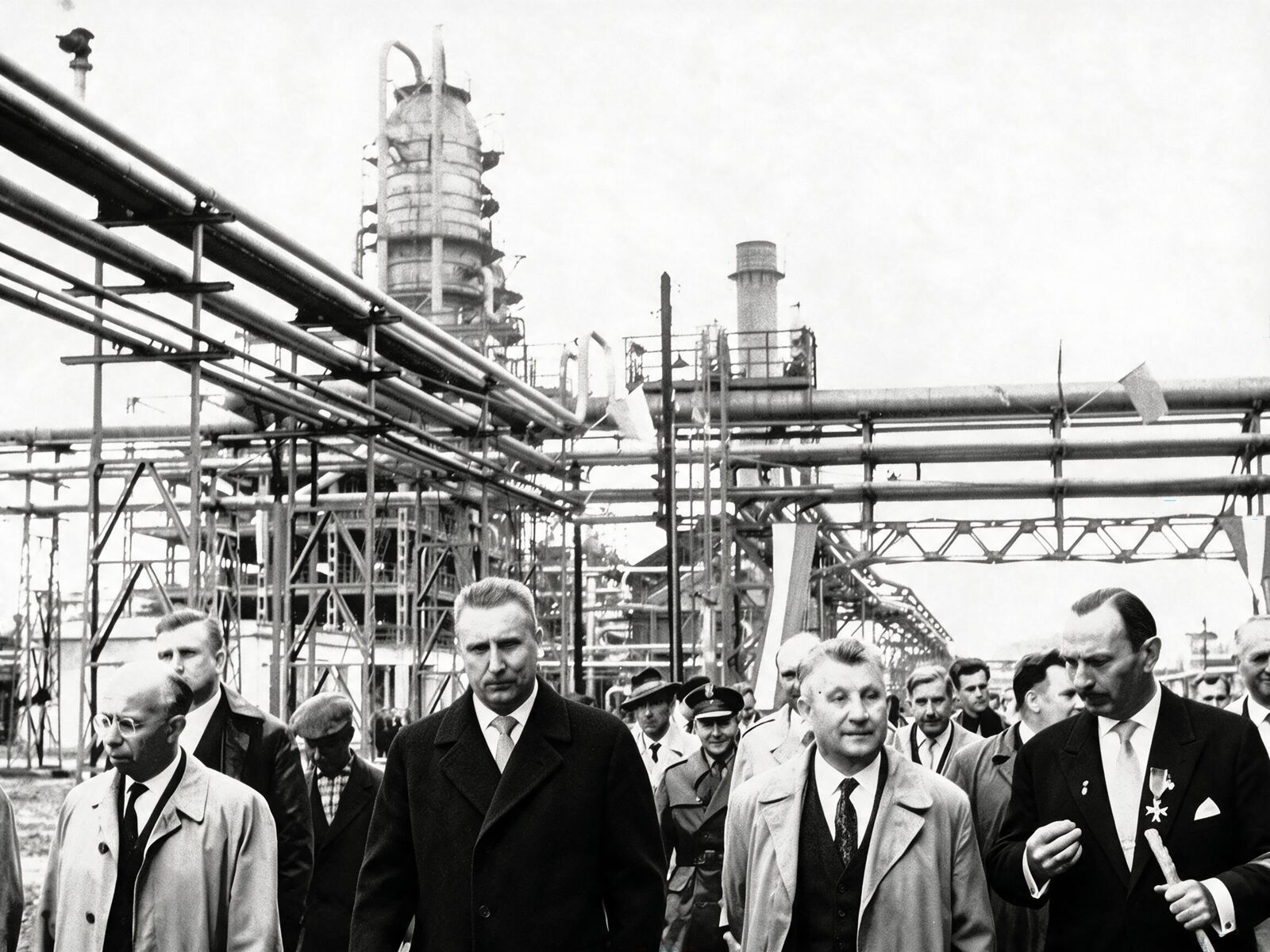
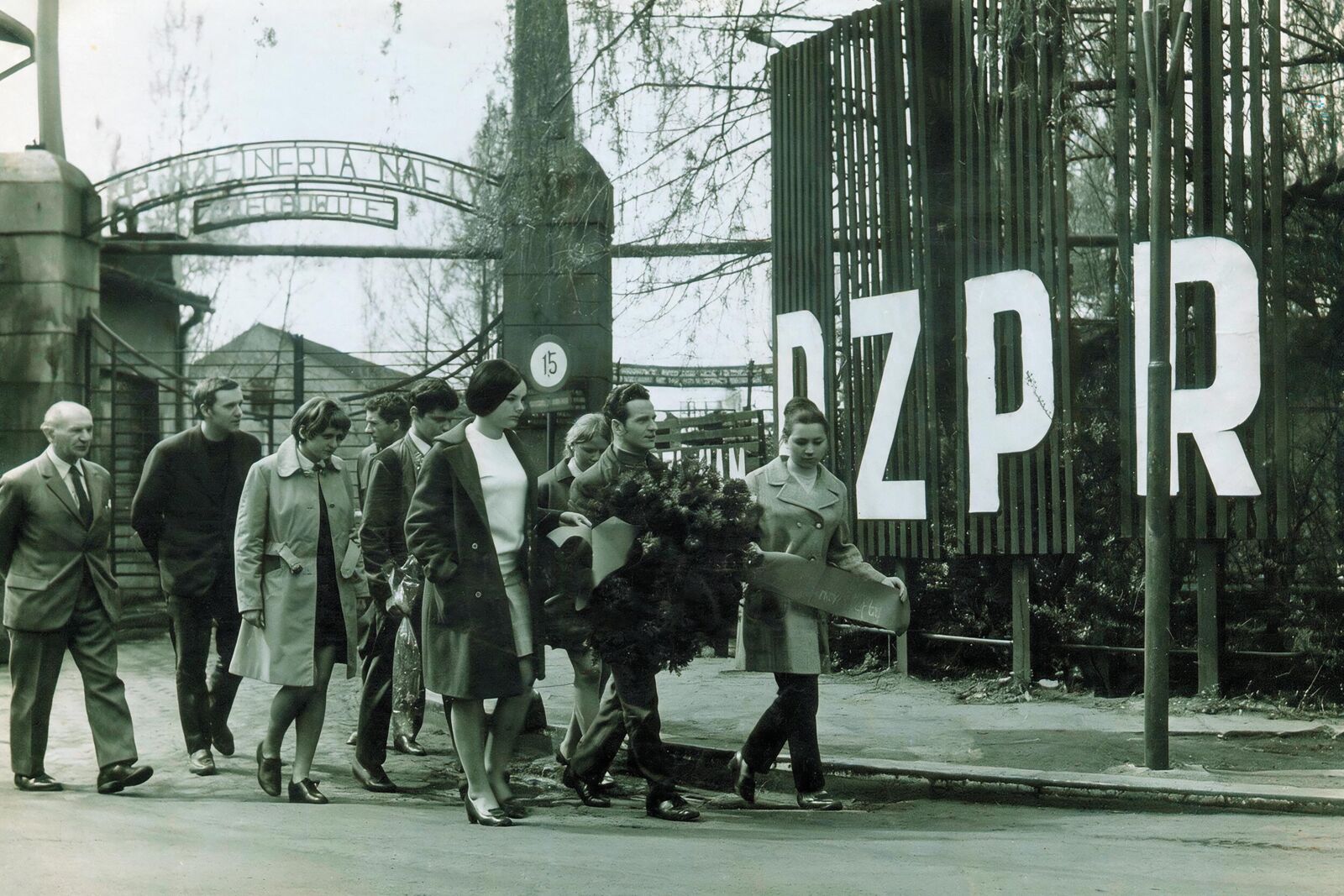
Administrative changes also reshaped the region. On 1 January 1951, Czechowice and Dziedzice were merged into a single town, Czechowice-Dziedzice, formally confirming the close economic ties between the two industrial centres, with the refinery at their heart. The following decades brought major expansion and modernisation. A new section was added to the pre-war refinery and equipped with large crude-oil tanks, increasing annual throughput tenfold to 600,000 tonnes. New process units were introduced, production capacity increased, and laboratory and storage facilities were expanded. The refinery produced everything from motor fuels to specialised oils and lubricants, while continuing to play an important social role as both a pillar of the regional economy and an important part of local identity in the difficult post-war years. The Czechowice refinery remained the largest in Poland until the mid-1950s, when the plant in Płock was opened. Yet just as the post-war period seemed to be settling into stability, the vulnerability of an industry on this scale became painfully clear once again.
×10
increase in throughput after expansion
600,000 t
of crude oil processed annually
Largest in Poland
until the mid-1950s
26 June 1971
The fire of June 1971
One of the most dramatic events in the refinery’s post-war history was the fire of June 1971, which began when lightning struck an oil tank. The disaster left a lasting mark on the memory of those who fought the blaze and on the families and community who suffered its consequences.
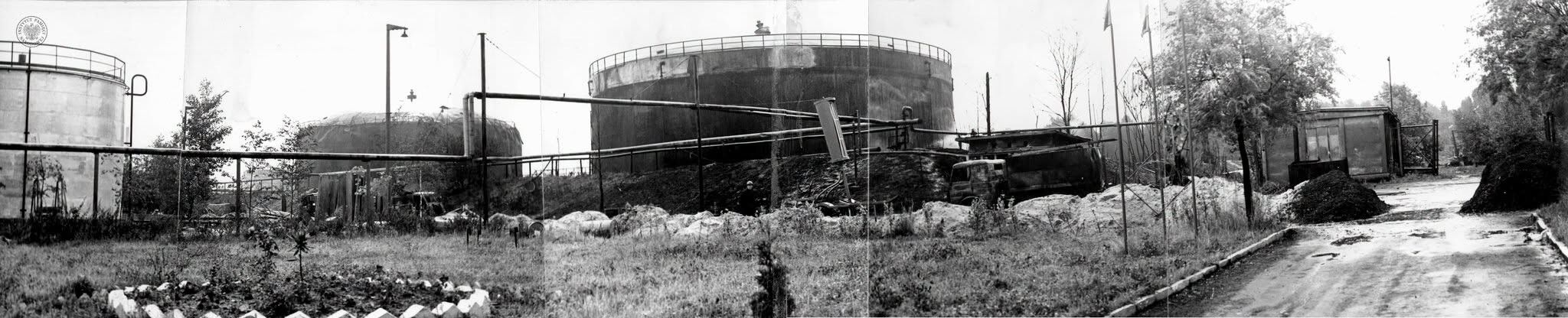
On 26 June 1971, the day at the refinery began with routine process operations. Some of them involved four oil tanks numbered 251, 252, 253 and 254. From the early morning, the tube still and fractionating tower unit was pumping crude oil from tank 251, which had a capacity of 12,500 m3. On the same day, crude oil from 30 tankers was being pumped into tank 254. Each tank had a diameter of 33 m and a shell height of 18.3 m. Together, the four tanks held more than 31,000 tonnes of crude oil and stood in separate earth bunds.
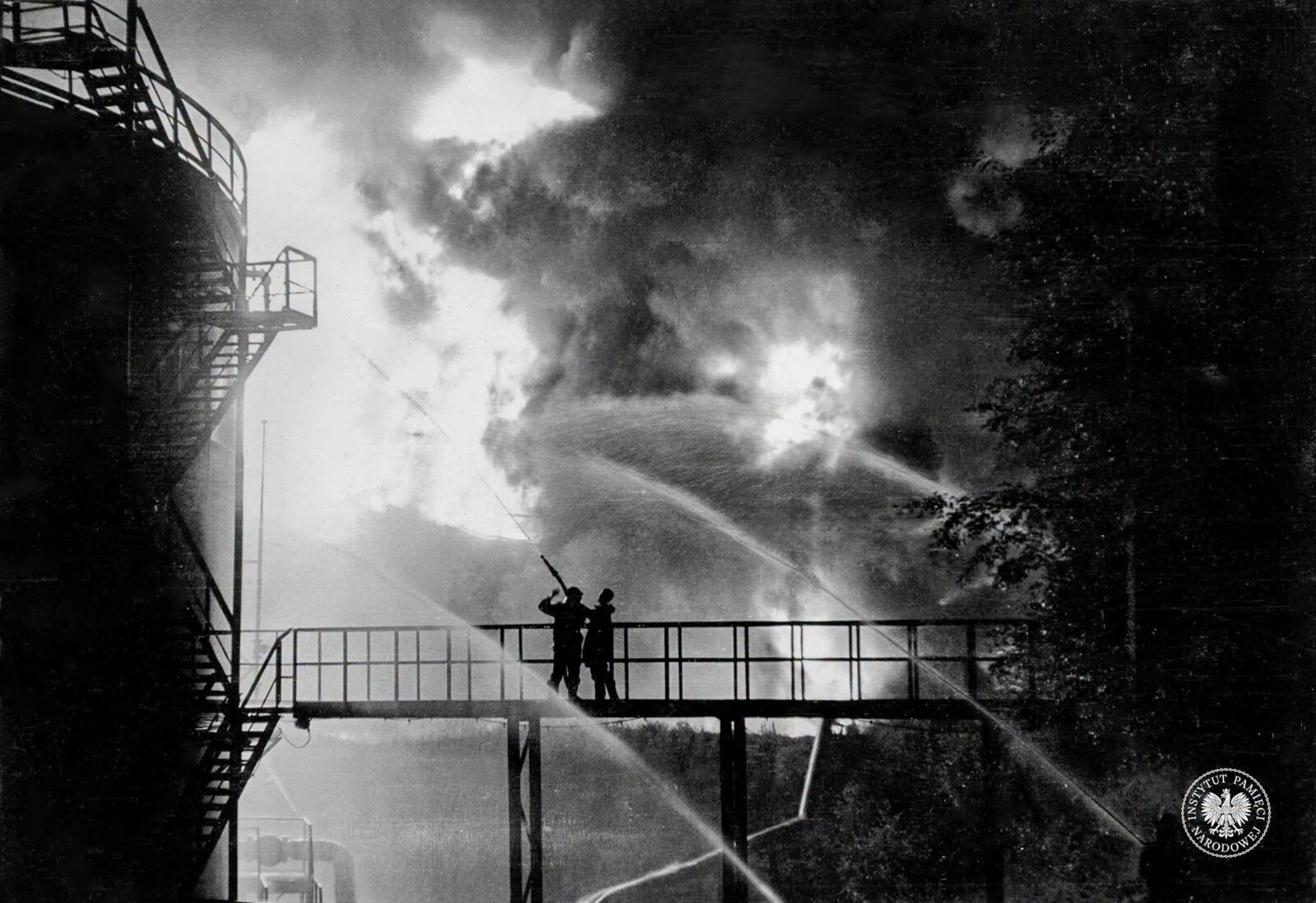
The fire began when lightning struck the roof vent on top of tank 251. The impact ignited oil vapour, setting the tank on fire. At the time, the tank contained 8,850 tonnes of crude oil. The tanks were not equipped with floating roofs, which would have reduced the risk of explosive mixtures building up above the surface of the crude.
Firefighting began just 15 minutes after the explosion. Very quickly, however, it became clear that this was the start of a long and exceptionally demanding operation. The first teams included the refinery fire brigade, volunteer fire brigades from Czechowice-Dziedzice and the then Bielsko district, and professional brigades from Gliwice, Chorzów, Zabrze, Kraków and Katowice. They were joined by firefighters from Oświęcim, Trzebinia, Kędzierzyn, Blachownia Śląska and Jasło with heavy foam equipment, as well as 160 soldiers and professionals from the Bielsko-Biała Territorial Defence Battalion. Firefighting teams attending a training camp in Mikuszowice also joined the effort. At around 1 a.m., 18 professional and 24 volunteer fire sections were operating at the scene. At that point, it seemed the fire might be brought under control, but the worst was still to come.
In tank 251, 150,000 litres of water had collected beneath the burning crude as a result of the firefighting operation and had begun to boil. Shortly after 1 a.m. on the night of 26–27 June, a violent explosion followed. The boiling water lifted the lighter layer of crude oil and hurled burning fuel up to 1,000 m beyond the tank. Thousands of tonnes of burning oil fell on rescuers and nearby equipment, while flaming streams spread across the refinery. The ABT oil-regeneration unit was also threatened, but it was saved when the flanges on the steam pipelines were loosened in the first moments of the fire.
The firefighting operation lasted three days and required forces on an unprecedented scale. More than 2,500 firefighters took part, supported by military and police units as well as rescue teams from Czechoslovakia. On 29 June at 3:10 p.m., an offensive on the burning tanks began. The operation used approximately 116 tonnes of foaming agents and around 2,000 tonnes of water. The fire was brought under control at around 5:00 p.m. after nearly 70 hours of continuous action, although the tanks continued to smoulder until 1 July.
37
lives lost
100+
people injured
2500+
firefighters involved
~70 h
of continuous operation
116 t
of foaming agents
Józef Frączek, then a conscript serving in a military unit in Bielsko-Biała, later recalled the explosion of the oil tank: “It was several minutes after one o’clock in the morning when the tank began to tremble and the metal walls began to expand. At one point, the air was torn apart by a monstrous bang and everything disappeared in a giant fireball. And then it turned out what was meant for whom.” Michał Kobiela from Kaniów watched the fire from his home while waiting for his father, who had not returned from the refinery where he worked. Remembering that night, he said: “I prayed for my father’s return, but I was not able to save everyone with my prayers.”
The disaster claimed 37 lives and left more than 100 people injured, including both firefighters and refinery workers. It remains etched in the history of the plant and the local community as a symbol of sacrifice and courage. On 26 June 1981, a memorial to the victims of the June 1971 fire was unveiled on the refinery site, on the 10th anniversary of the disaster.
In the aftermath of the disaster, the refinery introduced an extensive programme of safety upgrades. The plant’s resilience was strengthened, new procedures were implemented and fire-protection systems were modernised, significantly improving overall safety. At the same time, the events of 1971 left a lasting mark on the refinery workforce and the people of Czechowice-Dziedzice, shaping a new awareness of industrial risk and responsibility.
The 1980s · Solidarity
At the beginning of the 1980s, as workers’ protests spread across Poland, the Czechowice refinery workforce, then operating as Śląskie Zakłady Rafineryjne, actively joined the emerging Solidarity movement. For many workers, the union’s demands were not only social or economic. They were also closely bound up with the memory of colleagues who had died and with the call for strict observance of workplace safety rules, which in the command economy had too often been subordinated to production targets.
In the summer of 1980, the refinery became one of the strongest centres of opposition in the region. The newly formed NSZZ Solidarność Works Committee quickly brought the workforce together around its leaders, among whom Zbigniew Stryczek, Krystyna Jurczyk and Mirosław Biernot enjoyed particular authority. The plant became an important space for the expression of independent views: underground publications circulated, meetings were organised, and networks were built beyond the factory gates in close cooperation with the Inter-Company Founding Committee in Jastrzębie-Zdrój and the Podbeskidzie Region.
Martial law and repression
That brief period of relative freedom ended on 13 December 1981. News of martial law and the first internments triggered a protest. Refinery workers launched an occupation strike, locked the gates and formed a workers’ guard. The atmosphere was tense and uncertain. In the end, however, their resistance had to give way to force and the threat of violent pacification.
Those interned included activists connected with the refinery and the wider region, among them Zbigniew Stryczek, who, as one of the local movement’s leaders, became a target of the security services in the early hours of the night of 12-13 December. Supporters of the movement from other Czechowice plants were also interned, including Krzysztof Gierlotka and Andrzej Kotyla, in an effort to break cooperation between the refinery and the rest of the town.
Many workers who were not interned were subjected to humiliating vetting, and those who refused to sign a “declaration of loyalty” lost their jobs. Yet despite the wave of repression, the spirit of Solidarity at the refinery endured. Throughout the 1980s, underground structures continued their work quietly, while colleagues supported those who had been targeted by the authorities. Secret fundraisers were organised for the families of imprisoned workers, and clandestine networks helped sustain pro-freedom attitudes in the face of martial-law propaganda.
That period of hardship forged a community that, after 1989, contributed to the rebuilding of democratic civic life in Czechowice-Dziedzice. The legacy of those years remains a living part of the plant’s identity, reminding us that the history of the refinery is not only a story of technology and production, but above all of the people who defended dignity and freedom in difficult times.
Chapter 06 · 1989–2000
Political transformation and ownership changes
The year 1989 brought not only the return of open trade union activity, but also the challenge of operating in a market economy. For the Czechowice refinery, political transformation meant a demanding period of restructuring and adjustment. As one of the pillars of the Polish oil industry, the plant had to move quickly away from a centrally planned production model and adapt to a more flexible, competitive business environment.
In 1994, the plant was transformed into a sole-shareholder company of the State Treasury, the first step in the privatisation and consolidation processes that would soon reshape the Czechowice industry. Management structures were reorganised, decision-making streamlined, and the plant adapted to the demands of a competitive economy. At the same time, production facilities were modernised to improve efficiency and product quality and to meet increasingly strict environmental standards. Rail sidings and transshipment terminals were also upgraded to handle larger volumes of raw materials and finished products, helping to increase exports gradually.
In the late 1990s and early 2000s, the plant began to phase out full-scale oil processing. It gradually moved away from the traditional multi-process refinery model and focused instead on specialised production segments. During this period, the Czechowice refinery increasingly developed as a centre for the production of lubricating oils, base oils and bitumen.
During the 1990s, trade union organisations, including Solidarity, continued to play an important role in the life of the plant and took part in social dialogue on restructuring and employment changes. Their involvement was particularly significant during the period of ownership transition and workforce reduction that accompanied the plant’s adjustment to market conditions.
Turning point · 1994
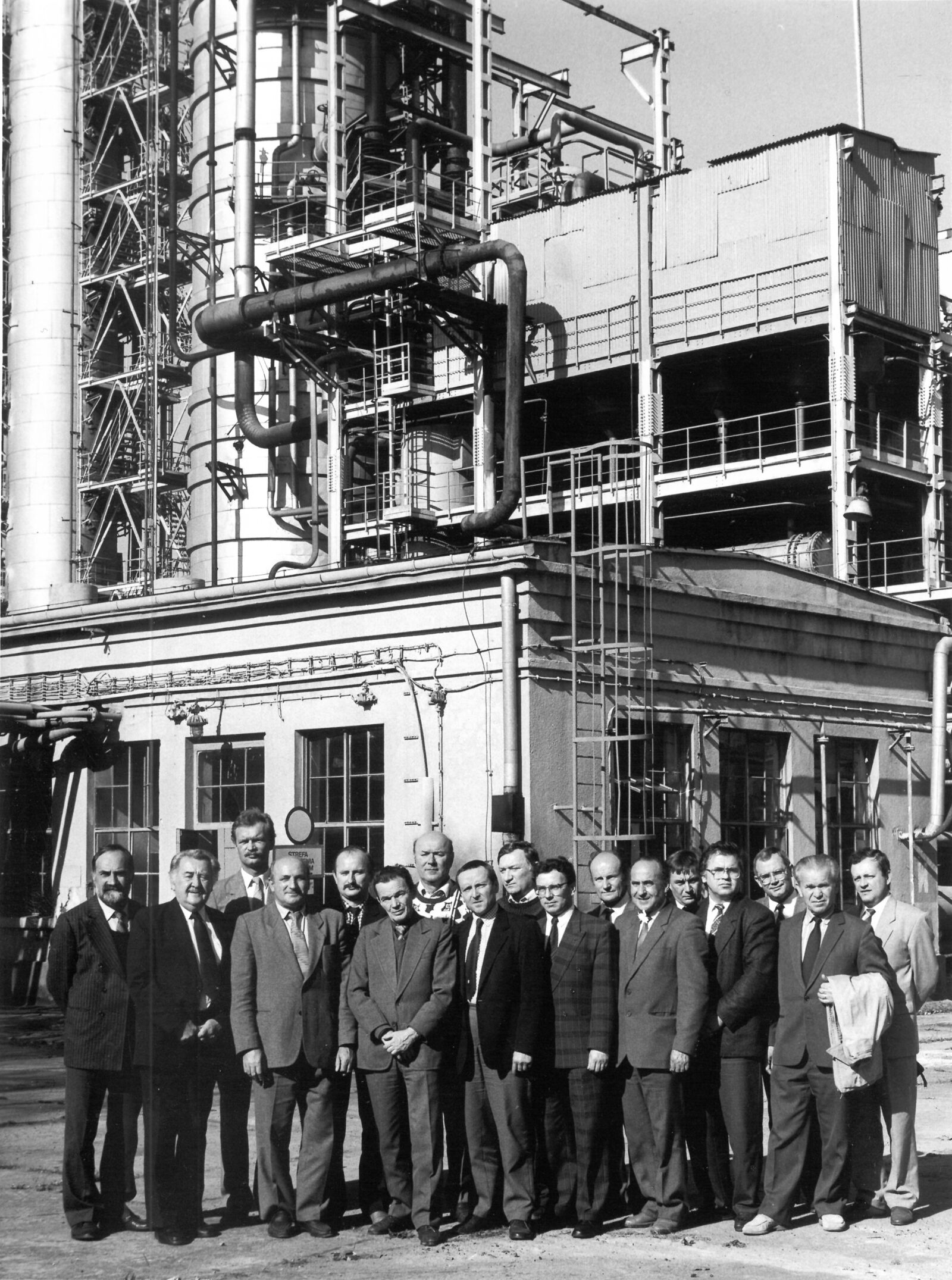
Despite ownership changes and the wider economic transformation, the refinery remained one of the region’s largest employers. It also developed a system of staff education and training through upskilling programmes, which helped preserve its role not only as a production centre, but also as an important base of engineering expertise.
Chapter 07 · 2000–2010
The new millennium – integration with large corporations
The early 21st century brought further consolidation across the fuel sector, as refineries became part of larger capital groups. This gave them access to modern technologies, international management standards and new markets.
In 1996, Nafta Polska S.A. acquired 75% of the shares in Rafineria Gdańska from the State Treasury as part of the consolidation and reorganisation of the state oil sector, becoming the owner of a large share of the assets of Polish oil companies. In the years that followed, it acted as the central body responsible for restructuring the country’s refineries and preparing them for privatisation and integration into a single fuel holding company. This process involved not only ownership changes, but also management modernisation, standardised procedures and preparation for competition within the European market.
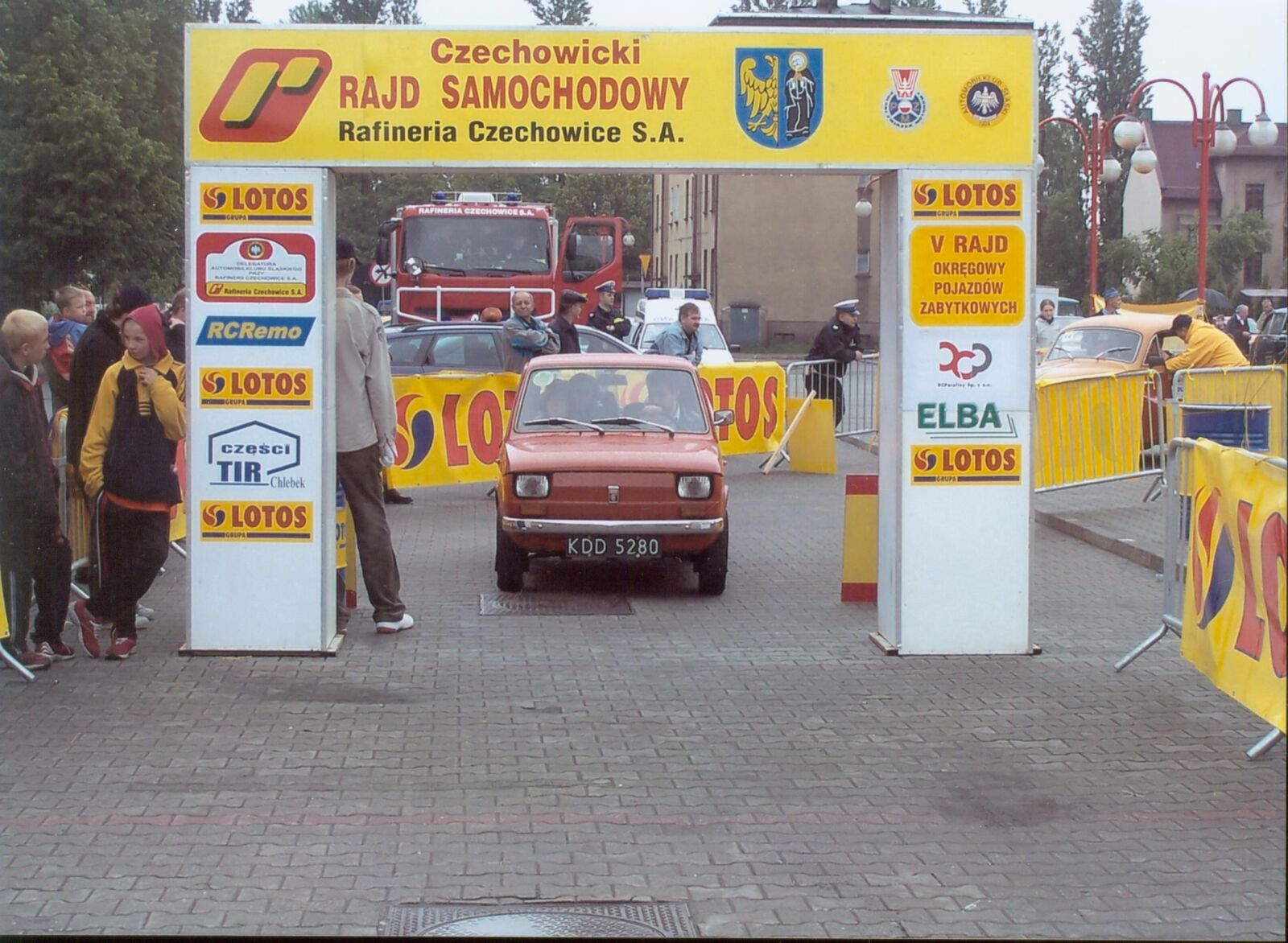
In June 2002, Grupa LOTOS S.A. was established to consolidate Poland’s oil-sector entities. The acquisition of Rafineria Czechowice S.A. took place between 2003 and 2005. In July 2003, the Polish government approved the transfer of shares in the refinery to Grupa LOTOS S.A., and on 19 December 2005 the consolidation was formally completed, with the refinery adopting the name LOTOS Czechowice S.A.
The acquisition reflected the Polish government’s strategy for the oil industry, which aimed to build a vertically integrated nationwide company capable of efficient production and distribution. Integration with Grupa LOTOS increased the competitiveness of the Czechowice refinery, improved production efficiency, introduced modern technologies and expanded sales opportunities in both domestic and international markets.
Integration also opened access to investment capital, but it required the refinery to adapt quickly to the stricter standards that followed Poland’s accession to the European Union in 2004. Environmental and quality requirements had to be implemented at speed, posing a major structural and technological challenge for many older plants.
Meeting European Union standards
To meet European Union requirements, the refinery carried out a series of investments, including upgrades to process units to bring them into line with BAT (Best Available Techniques) standards. Particularly important were projects to reduce atmospheric emissions, such as modernising combustion systems and flue-gas desulphurisation units. In parallel, solutions required under the IPPC Directive were introduced, including improvements in water and wastewater management and the sealing of raw-material and product storage systems. Compliance with the Seveso II Directive also played an important role, requiring the expansion of process-safety and fire-protection systems.
Despite these changes, the plant’s business profile came under growing pressure. Economic analyses carried out as part of the restructuring strategy for the so-called southern refineries showed clearly that crude processing at Czechowice-Dziedzice, at around 600,000 tonnes a year, was becoming increasingly unprofitable in the face of global competition and the advanced technologies used in large refining centres.
31 March 2006
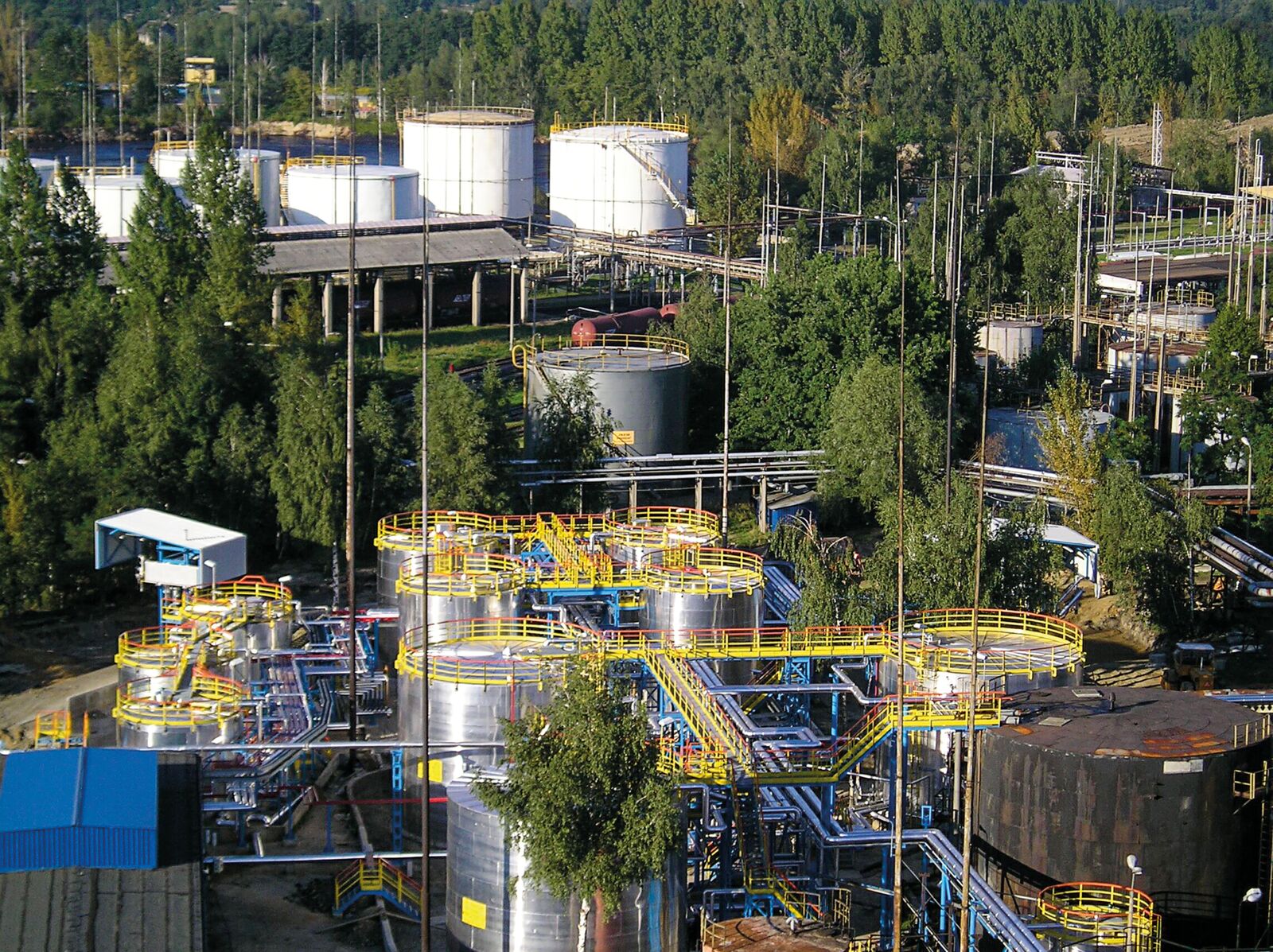
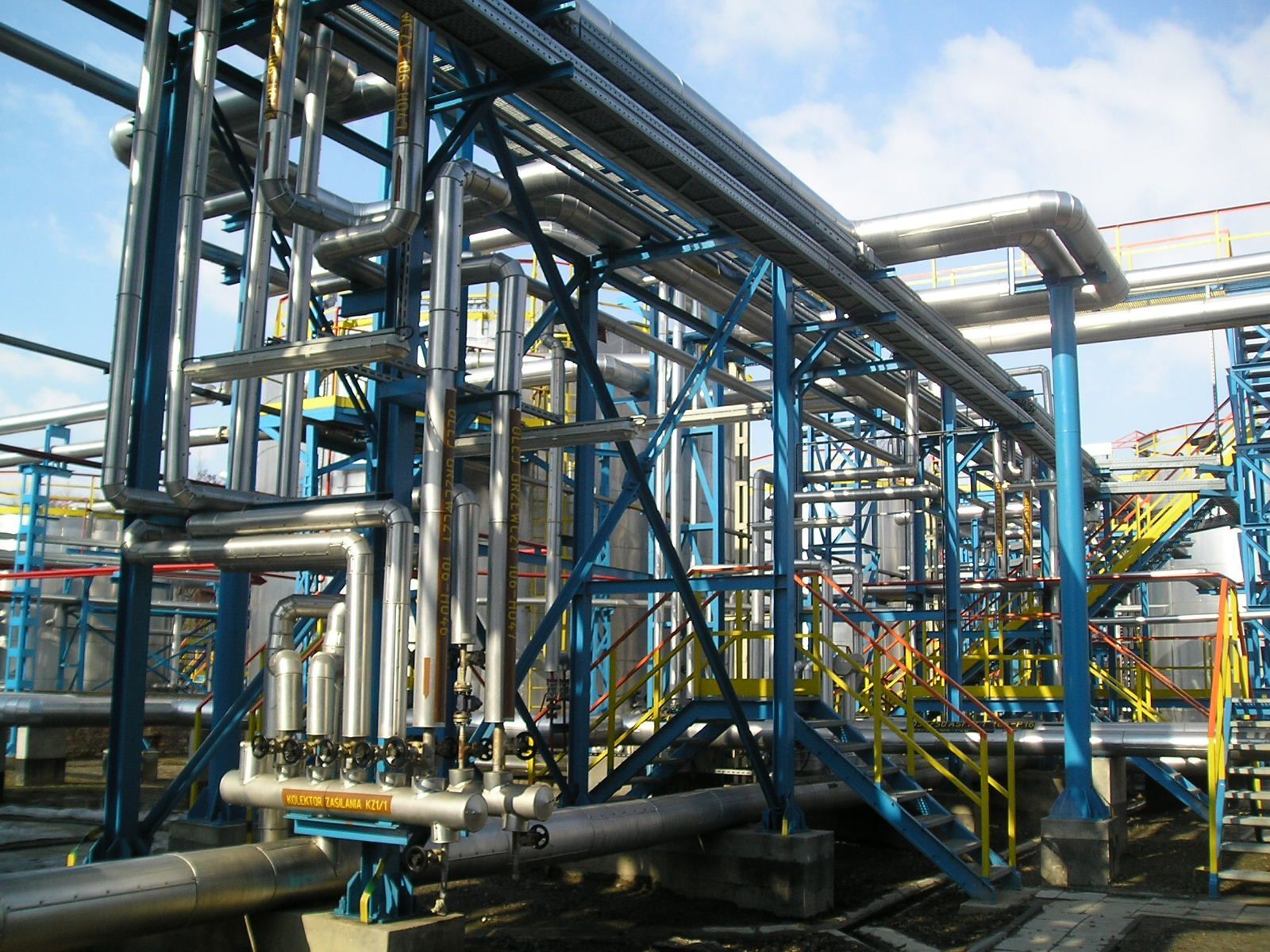
A symbolic turning point came on 31 March 2006, when crude processing officially ended at the refinery. Difficult though the decision was for generations of workers attached to the traditional distillation towers, it marked a necessary step towards the future. This was not the end of the plant, but its transformation into a specialised production and logistics centre focused on bitumen and specialty oils.
Chapter 08 · 2010–2023
The last decade of transition
Between 2010 and 2023, the Czechowice-Dziedzice refinery operated within Grupa LOTOS and was later incorporated into Grupa ORLEN following the 2022–2023 merger. It was a period of stable production and gradual internal change, as heavy industry increasingly gave way to specialisation, precision and highly skilled teams. Production focused on high-value-added products, primarily bitumen, base oils and lubricating oils.
At the same time, a quiet generational transition was under way. Many employees who still remembered the realities of the 1980s and 1990s were retiring and passing their experience on to younger colleagues. They were joined by new staff, often with technical and engineering backgrounds, prepared to work in a more automated production environment.
In 2013, a decision was made to separate specialised entities responsible for different areas of Grupa LOTOS’s operations. This was not limited to logistics. It formed part of a broader organisational restructuring designed to increase efficiency and make the group’s overall structure more transparent.
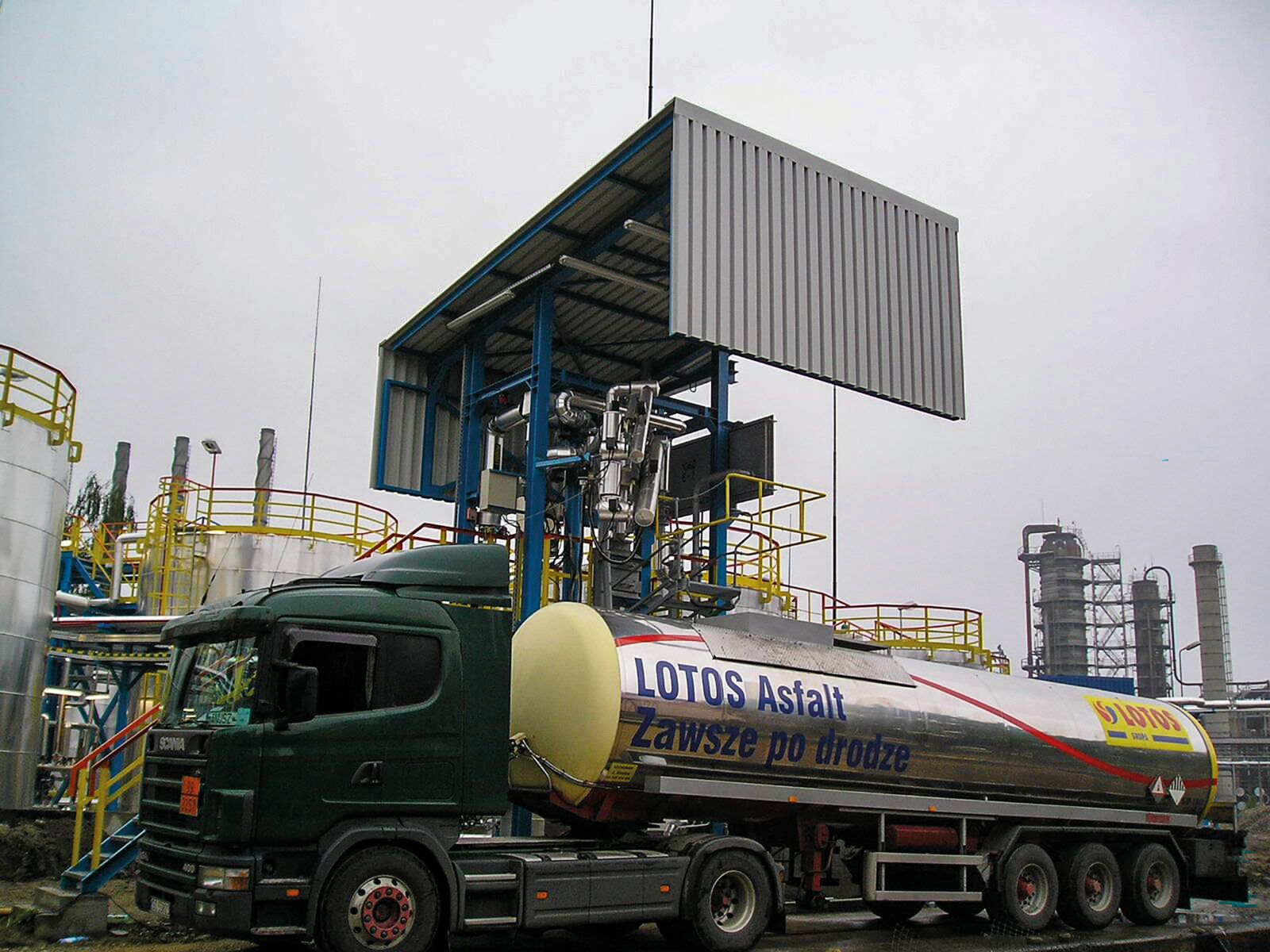
In the years that followed, specialised companies were spun off. Lotos Terminale S.A. took over storage and distribution of petroleum products, Lotos Kolej became responsible for rail transport, and Lotos Lab handled testing and quality control. At the same time, product segments such as Lotos Asfalt and Lotos Oil were further developed, focusing on the most specialised and high-margin product groups.
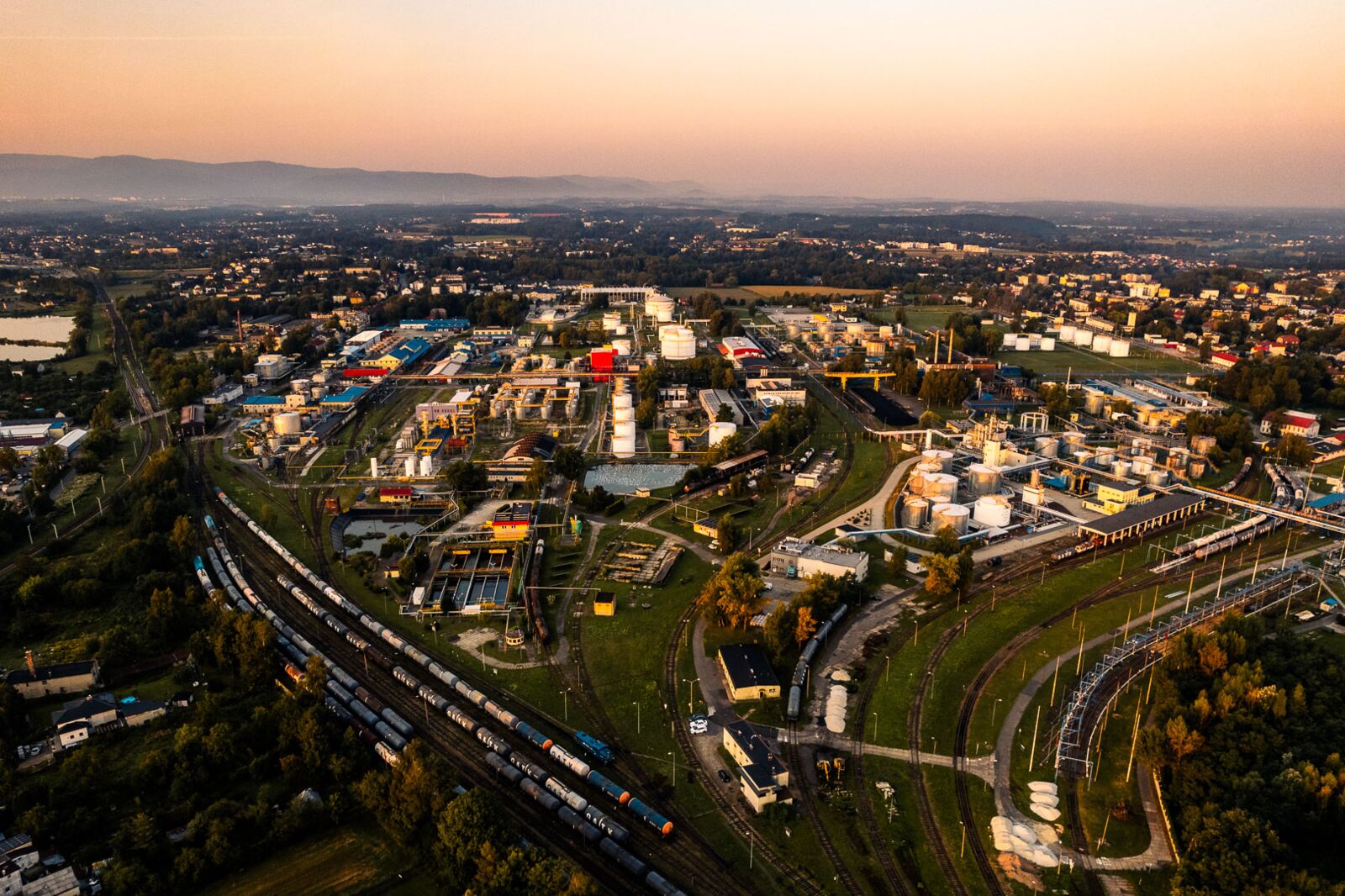
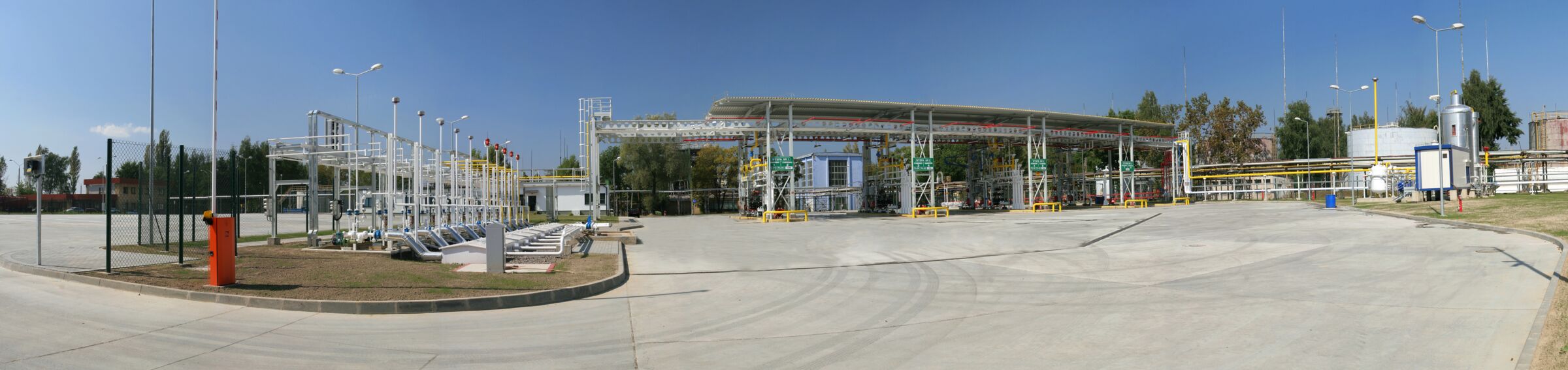
This new Lotos Terminale structure enabled more efficient management of storage infrastructure, increased terminal capacity and supported the development of services for domestic and international partners. As a result, the Czechowice site strengthened its position as a key logistics hub in southern Poland.
Chapter 09 · 2023–present
A new chapter – takeover by UNIMOT Group
7 April 2023 marked an important milestone in the plant’s recent history: the completion of UNIMOT Group’s acquisition of Lotos Terminale S.A. The transaction brought the Czechowice assets into a rapidly growing group and strengthened its position in the fuel storage and bitumen markets.
Following the reorganisation, the companies adopted a unified corporate identity and naming structure. The existing entities took on new names: RCEkoenergia, UNIMOT Terminale, UNIMOT Infrastruktura and UNIMOT Bitumen, while retaining the operational continuity and expertise built up over decades.
The UNIMOT Group set out a further development strategy based on combining traditional fuel operations with modern energy solutions. Investment focused on expanding storage infrastructure, improving operational efficiency and implementing more sustainable technologies.
In practice, this meant extensive infrastructure upgrades. UNIMOT Terminale integrated and standardised storage and handling systems across the acquired fuel depots, increasing operational security and making logistics more consistent across the group. At the same time, the UNIMOT Bitumen segment was strengthened through supply-chain optimisation and expanded distribution in both national and regional markets, improving efficiency and supply stability.
At RCEkoenergia, key transformation projects were also carried out. These included modernising heat and electricity sources and introducing more efficient, lower-carbon generation systems, which helped improve energy efficiency and reduce reliance on external energy supplies. In parallel, the wastewater treatment plant was upgraded through the introduction of automated process-control systems, improvements to the mechanical treatment stages and measures to increase overall system stability. Together, these changes improved treatment efficiency, reduced the installation’s environmental impact and strengthened the plant’s environmental safety.
The refinery and its logistics facilities remained an important part of the local economy, providing jobs and supporting regional development. At the same time, the UNIMOT Group became actively involved in local and community initiatives, supporting institutions, events and educational and infrastructure projects in Czechowice-Dziedzice and the surrounding area. This strengthened its role as a long-term partner to local communities.
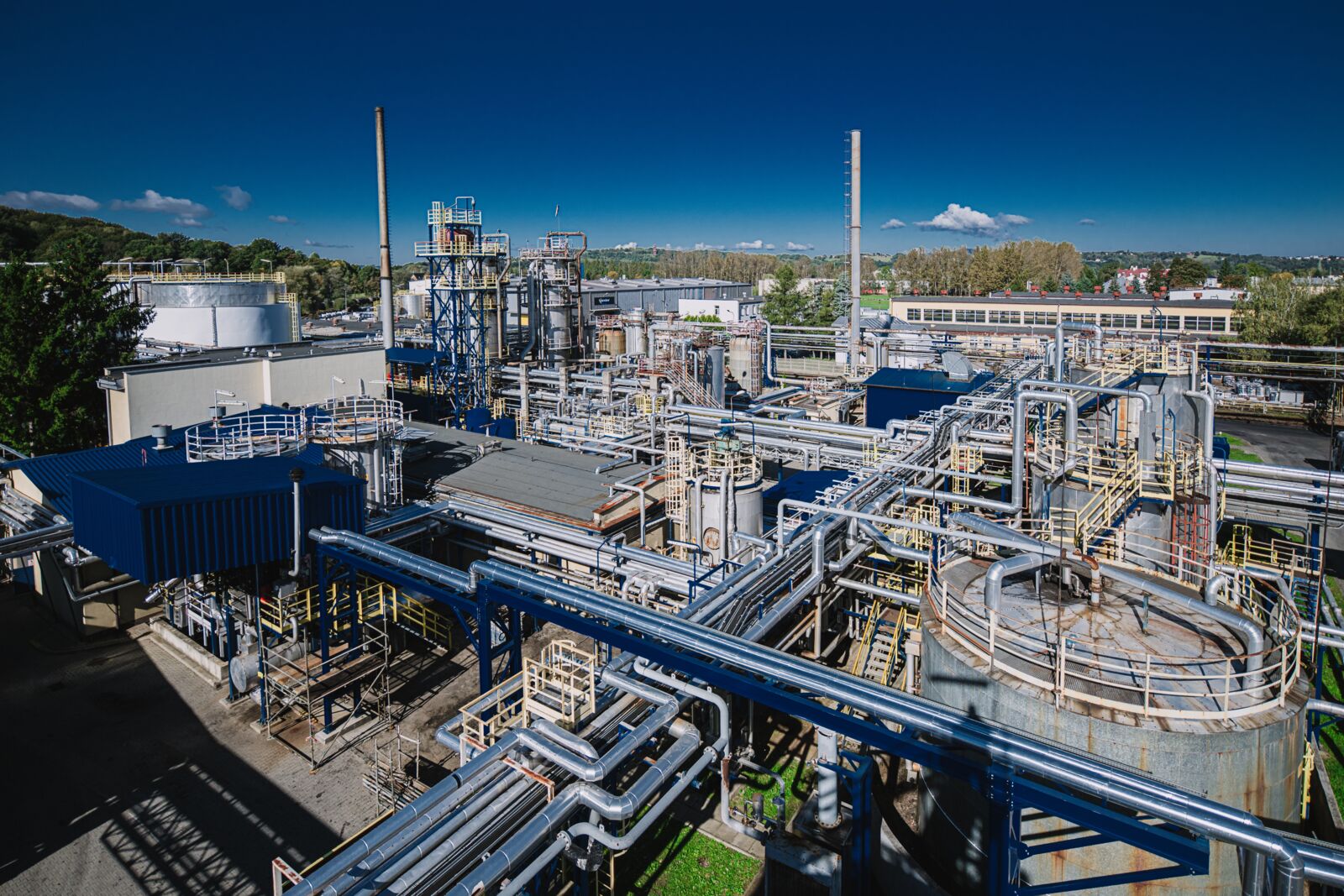
At the same time, the refinery entered a new phase in its history as a modern industrial and logistics centre, combining more than a century of tradition with the challenges of the energy transition. Shaped by generations of employees, engineers and local residents, the history of the Czechowice-Dziedzice refinery remains a story of continuity, determination and adaptability in the face of changing economic and political realities.
It is the story of a place that helped shape the region’s industrial landscape for more than a century, becoming part of its identity and helping to define the direction of change. Today, as the UNIMOT Group, we are proud to contribute to the next chapter in the history of a place that has remained an important part of the region’s industrial fabric for generations.
The story that continues to this day.
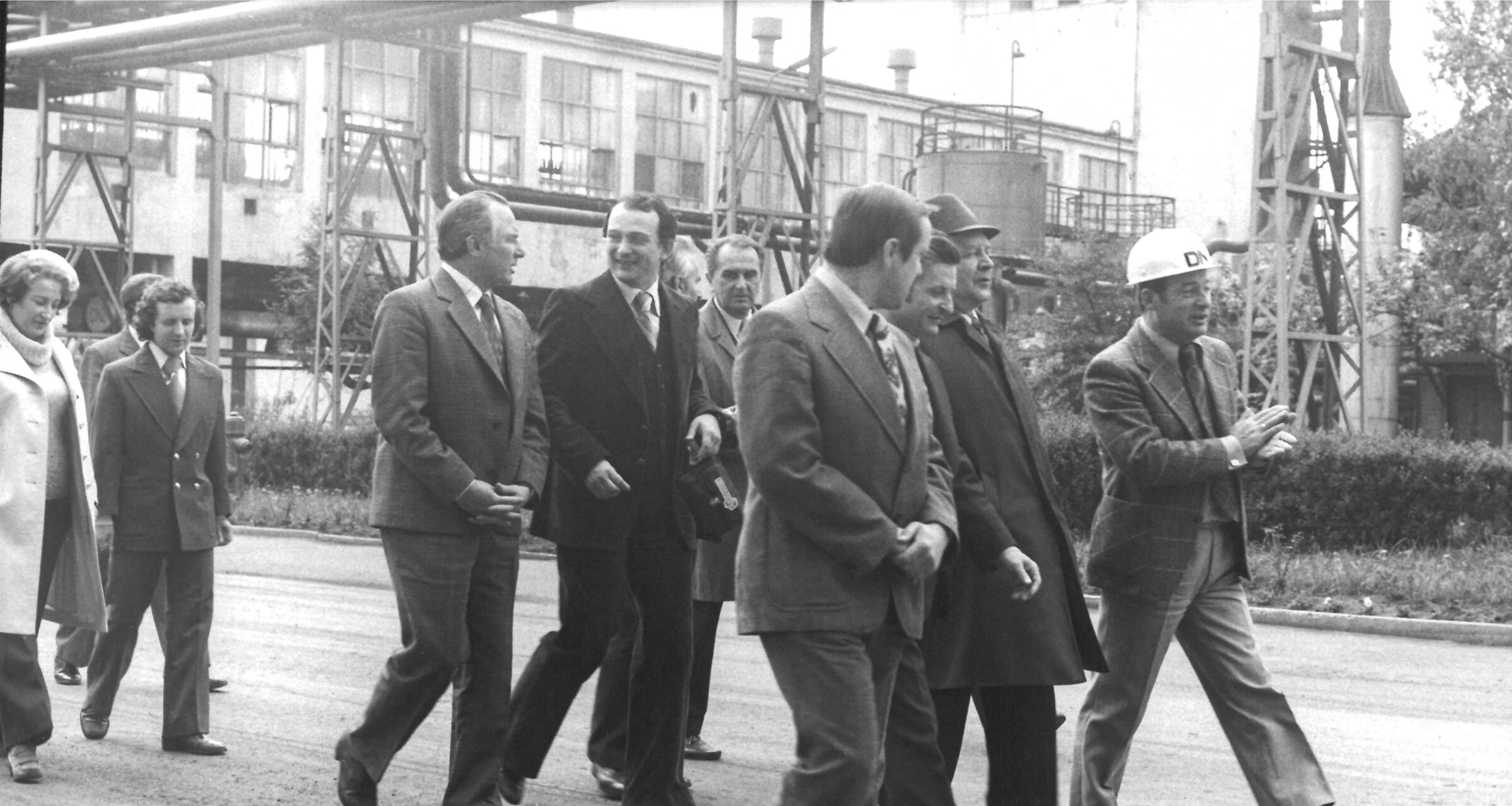
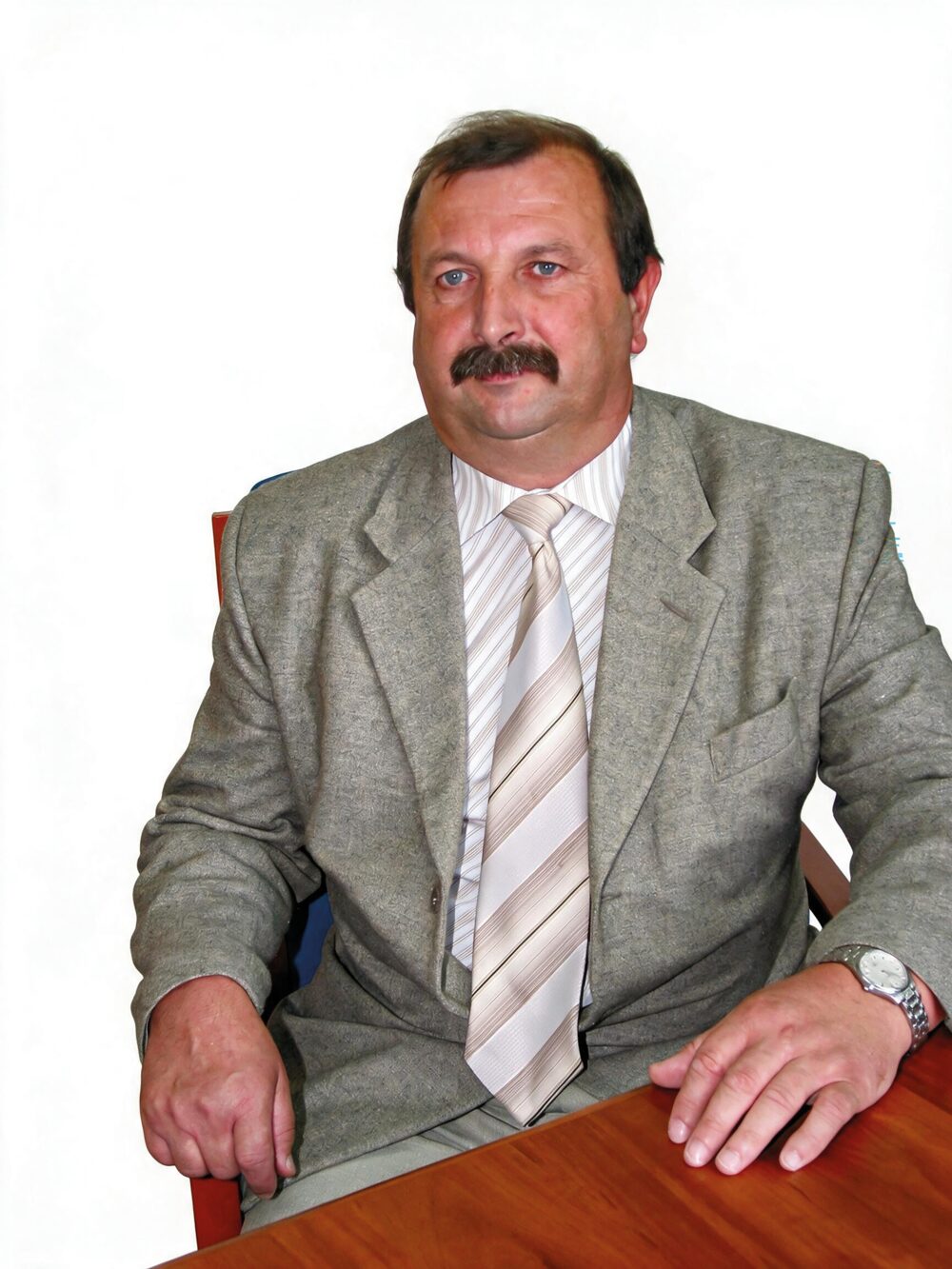
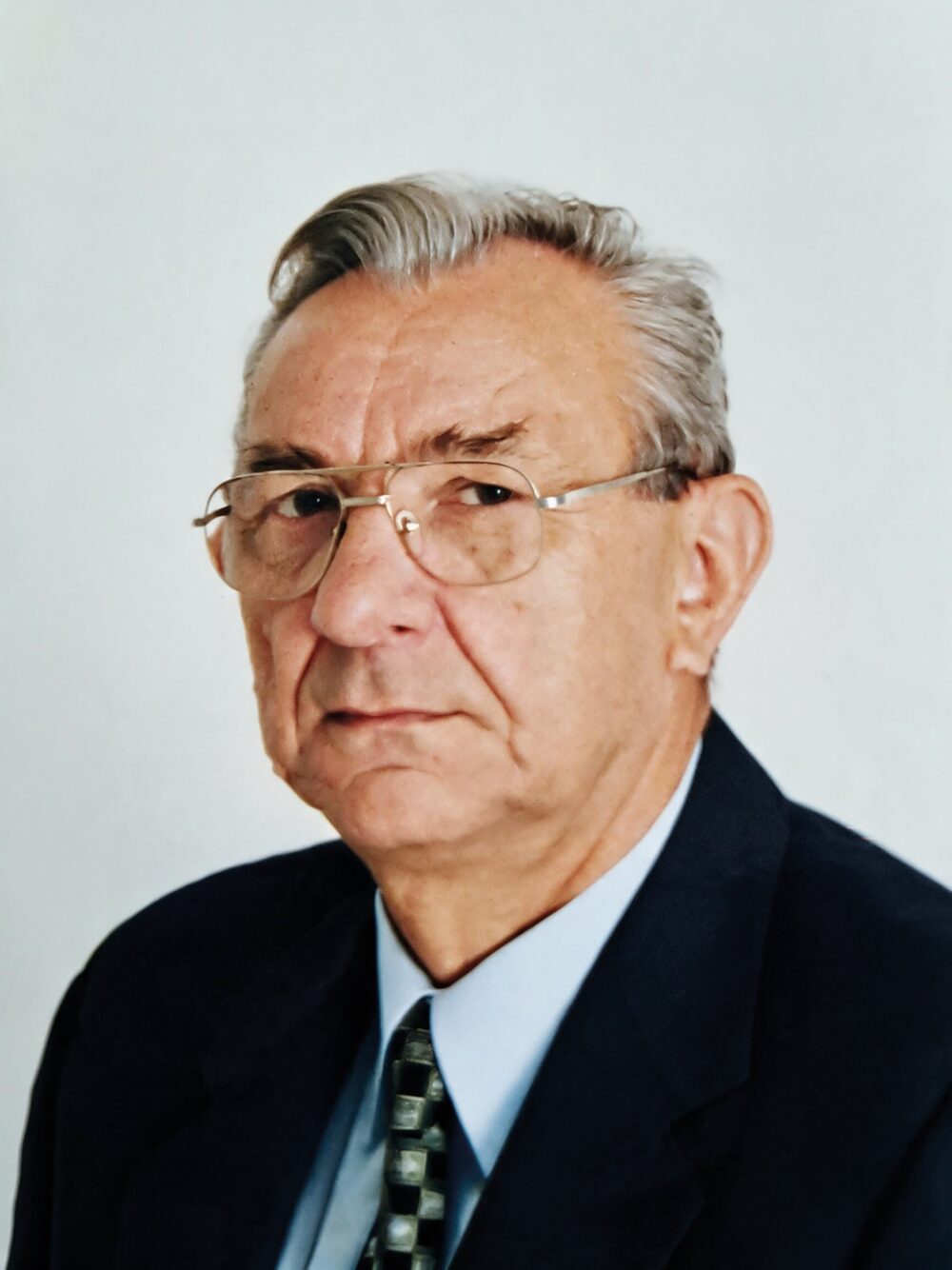
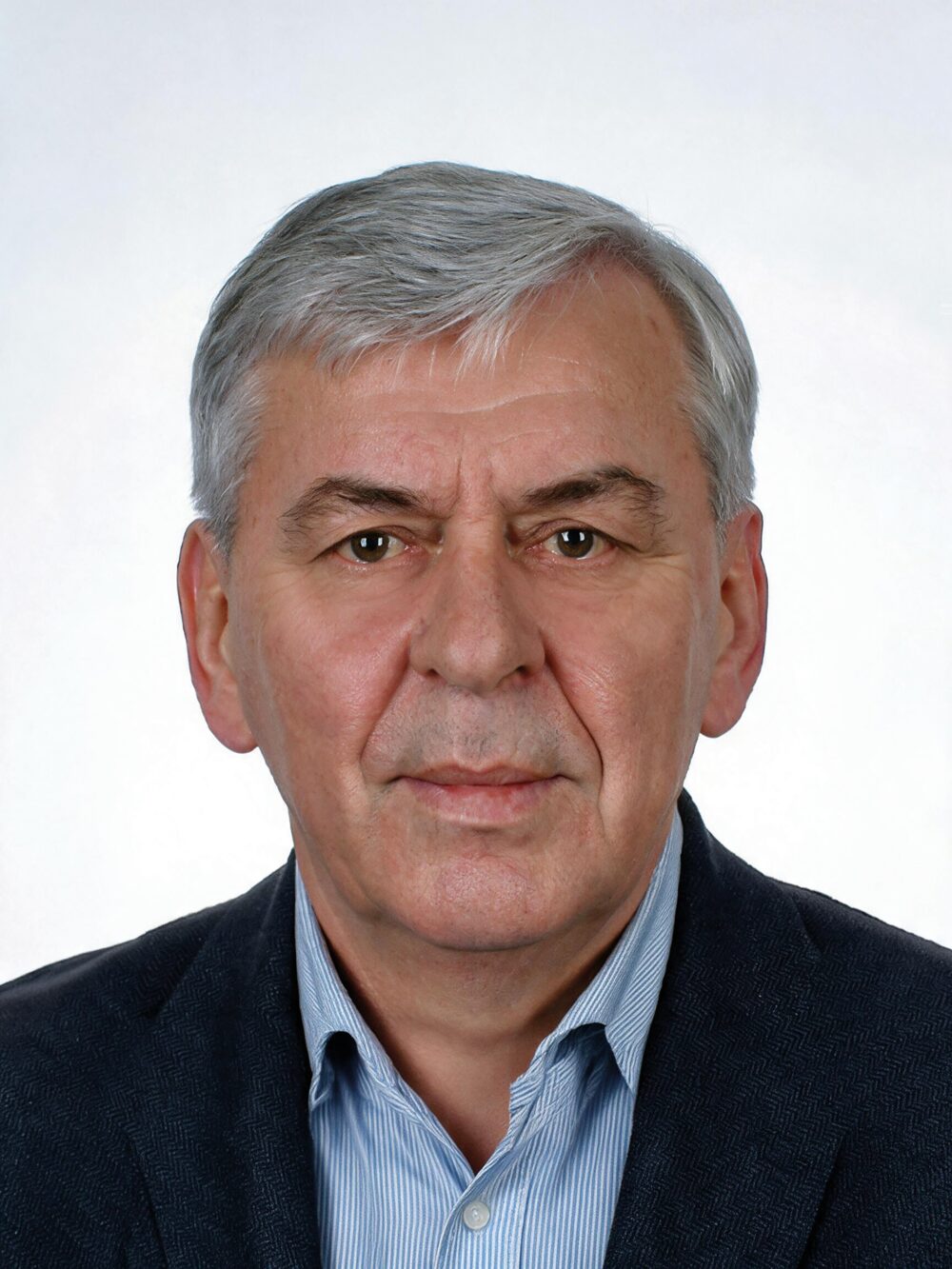
Refinery people
Refinery people
The history of the Refinery was shaped above all by people – by their daily work, their decisions and their relationships. Their memories allow us to look at the plant from a personal perspective and to preserve the memory of those years.